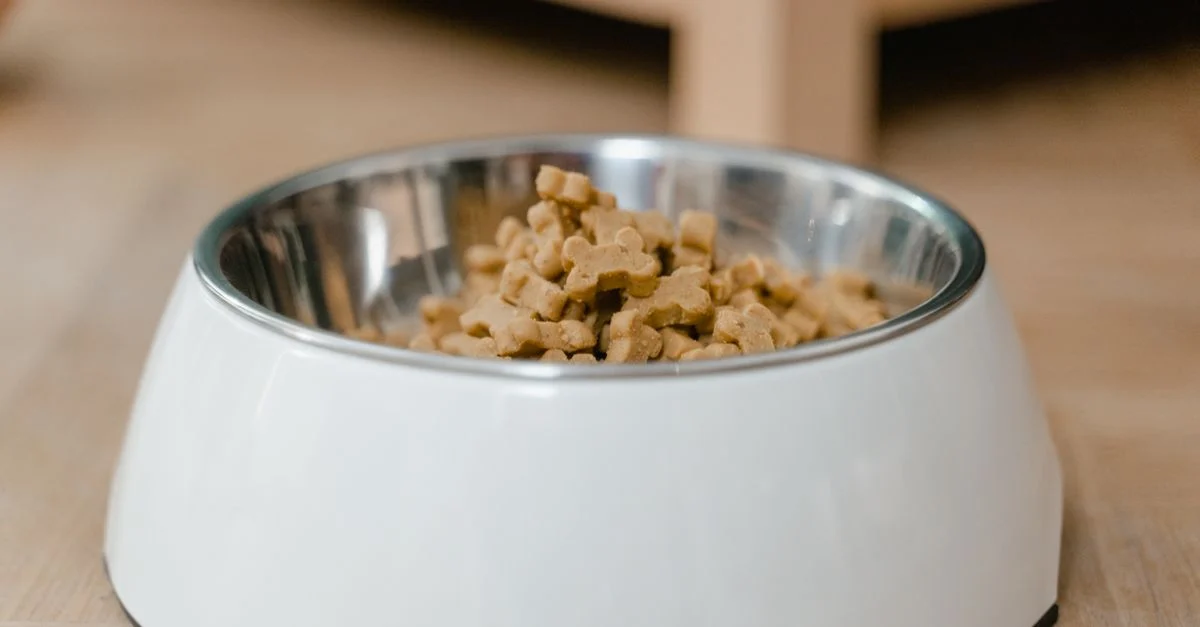
You want your dog to live a long, vibrant life, free from constant sniffles or more serious health issues. A strong immune system is your dog's first line of defense, much like your own. While many factors contribute to overall health, what you put in their bowl plays a huge role. Focusing on specific dog immune system foods can make a noticeable difference in their resilience.
Think of their immune system as a highly trained army, constantly on patrol for invaders like bacteria, viruses, and even abnormal cells. Without the right fuel, that army can become sluggish and less effective, leaving your dog vulnerable. By strategically adding certain ingredients to their diet, you're essentially providing their immune cells with the weapons and armor they need to perform their best.
Understanding Your Dog's Immune System
Your dog's immune system is an intricate network of cells, tissues, and organs working together to protect them from disease. It's always active, silently fighting off countless threats every day. When this system is robust, your dog can quickly neutralize pathogens, recover faster from minor ailments, and maintain higher energy levels. A weakened immune system, on the other hand, can lead to frequent infections, slower healing, and an increased susceptibility to chronic conditions.
The Role of Gut Health
Did you know a significant portion of your dog's immune system resides in their gut? The digestive tract isn't just for processing food; it's a bustling hub of beneficial bacteria, collectively known as the microbiome, which directly communicates with immune cells. A healthy gut microbiome fosters a strong immune response, helping to prevent inflammation and ensuring proper nutrient absorption. When the gut is out of balance, often due to poor diet or stress, the immune system can become compromised.
Key Nutrients for Canine Immune Health
Just like us, dogs require a specific array of vitamins, minerals, and other compounds to keep their immune systems firing on all cylinders. Feeding a balanced diet is a good start, but zeroing in on these particular nutrients offers an extra layer of protection.
Essential Vitamins and Minerals
Vitamin C, while dogs can produce their own, can be beneficial in supplemental amounts during times of stress or illness. It's a powerful antioxidant that helps protect cells from damage. Vitamin E is another antioxidant that supports immune cell function. You'll also want to ensure adequate intake of Zinc, which is crucial for the development and function of immune cells, and Selenium, a trace mineral with significant antioxidant properties.
Omega-3 Fatty Acids and Probiotics
Omega-3 fatty acids, particularly EPA and DHA, are renowned for their anti-inflammatory properties, which can help regulate the immune response and prevent overactivity. Probiotics, beneficial live microorganisms, directly support gut health, which, as we discussed, is fundamental for a strong immune system. They help maintain a healthy balance of gut flora, deterring harmful bacteria and aiding nutrient absorption. If you're looking for more details on proper pet nutrition, you'll find comprehensive information there.
Top Whole Foods to Incorporate into Your Dog's Diet
Now that you know what nutrients to look for, let's talk about the delicious, natural sources. These whole foods are packed with the goodness your dog needs to build a resilient immune system.
Powerhouse Fruits and Vegetables
Blueberries are tiny but mighty, bursting with antioxidants that combat free radicals. You can offer a few fresh or frozen as a treat. Spinach and Kale are leafy greens rich in vitamins C and E, beta-carotene, and other antioxidants. Always chop them finely or lightly steam them to make them easier for your dog to digest. Carrots provide beta-carotene, which converts to Vitamin A, supporting healthy vision and immune function. They also offer a satisfying crunch.
Pro tip: Introduce new foods slowly, starting with very small amounts, to avoid upsetting your dog's stomach. Monitor for any adverse reactions like diarrhea or vomiting.
Protein and Healthy Fats for Immunity
Salmon and Sardines are fantastic sources of omega-3 fatty acids. If feeding fresh, ensure they are cooked and deboned. Canned sardines in water (no added salt) are a convenient option. Chicken or Turkey Liver, in moderation, offers a concentrated punch of Vitamin A, B vitamins, and iron, all vital for immune health. Cook it thoroughly and serve in small portions. For a deeper dive into maintaining your dog's health, consider reviewing our guide.
Integrating Immune-Boosting Foods into Daily Meals
Adding these beneficial foods doesn't have to be complicated. The goal is to supplement your dog's existing balanced diet, not replace it entirely. Always consult your veterinarian before making significant changes to your dog's diet, especially if they have existing health conditions.
Safe Preparation and Portion Sizes
Vegetables like carrots, spinach, and kale should be washed thoroughly and chopped finely or pureed. Lightly steaming can improve digestibility. Fruits like blueberries can be given whole in small amounts. For proteins like cooked salmon or liver, ensure they are plain, without seasonings or added fats. Generally, these additions should make up no more than 10-15% of your dog's daily caloric intake to prevent nutritional imbalances. A few blueberries or a spoonful of cooked spinach mixed into their regular kibble a few times a week is a great start.
Beyond Food: Holistic Immune Support for Dogs
While diet is foundational, several other lifestyle factors contribute significantly to a strong immune system. Think of these as complementary practices that enhance the benefits of good nutrition.
Exercise, Stress, and Hygiene
Regular, appropriate exercise helps maintain a healthy weight, improves circulation, and reduces stress, all of which support immune function. Aim for daily walks or playtime tailored to your dog's breed and age. Chronic stress can suppress the immune system, so creating a calm, predictable environment is key. This might involve consistent routines, designated quiet spaces, and plenty of positive reinforcement. Regular grooming, including dental care and parasite prevention, also reduces the burden on your dog's immune system by preventing infections and infestations. Proper dog care tips are always useful.
Frequently Asked Questions
Here are some common questions about supporting your dog's immune system through diet.
Can I give my dog human immune-boosting supplements instead of whole foods?
Generally, it's best to stick to whole foods or supplements specifically formulated for dogs. Human supplements often contain dosages or ingredients that aren't appropriate or safe for canine consumption. Always consult your veterinarian before giving your dog any supplement, human or otherwise, to ensure it's safe and necessary for their specific needs.
What are the signs that my dog's immune system might be weak, even with a good diet?
Even with a good diet, a dog's immune system can be challenged. Signs of a potentially weak immune system include frequent infections (ear infections, skin issues, recurring colds), slow healing from injuries, lethargy, poor coat quality, and unusual weight loss or gain. If you observe these symptoms, schedule a visit with your vet to rule out underlying health issues.
How do I introduce new immune-boosting foods to a dog with a sensitive stomach or allergies?
Introducing new foods to a sensitive dog requires extra caution. Start with a single new food, offering a tiny amount (e.g., a pea-sized piece of cooked carrot) as a treat for a few days. Gradually increase the amount over a week or two, carefully monitoring for any signs of digestive upset, itching, or other allergic reactions. If your dog has known allergies, avoid those ingredients entirely and discuss suitable alternatives with your veterinarian. You may find more help in our guide to senior dog care if your pet is older and more prone to sensitivities.