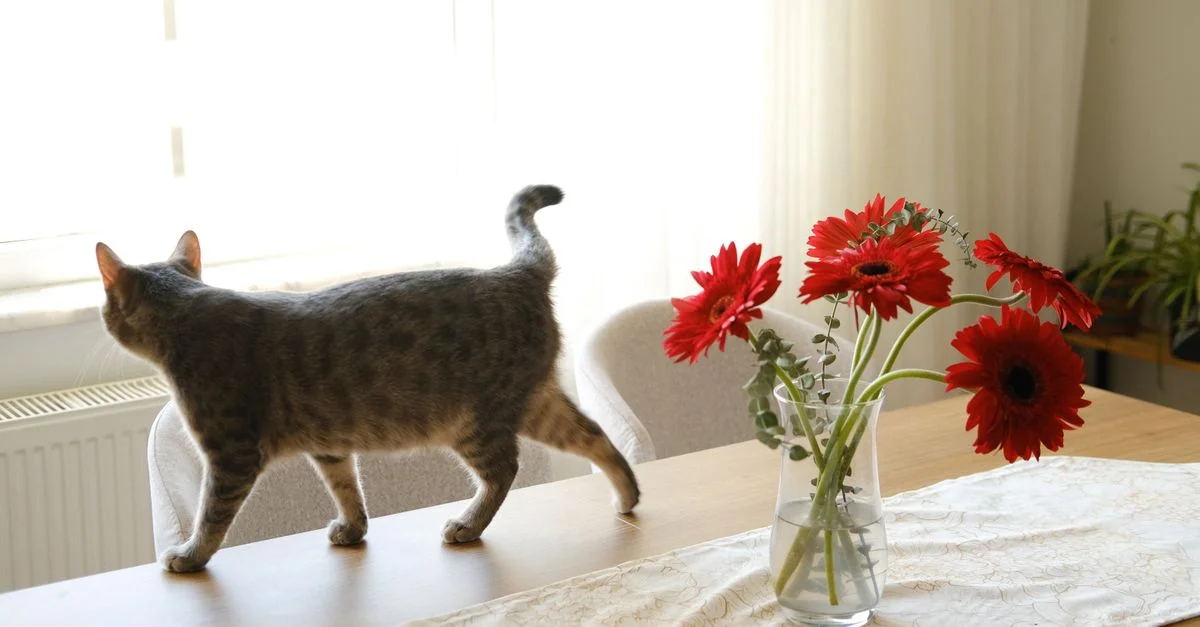
It’s a scene familiar to many cat owners: a precarious object perched on a shelf or table, a cat sauntering by, a swift paw, and then—crash! You’re left wondering, why cats knock things over with such apparent glee. This isn't just mischief; it's a complex behavior rooted in their instincts, their environment, and even their relationship with you.
Understanding these motivations can help you manage the behavior and even strengthen your bond with your feline friend. It's less about them being naughty and more about them communicating, exploring, or simply acting on their wild nature.
Instinctual Play and Predatory Behavior
Your seemingly innocent house cat still carries the DNA of a skilled hunter. When your cat bats a pen off the desk or sends a coaster flying, they're often simulating a hunting scenario. The object becomes their 'prey,' and the act of knocking it over is part of the predatory sequence: stalk, pounce, bat, and 'kill.'
Prey Drive Simulation
This behavior is a direct echo of how wild cats interact with small animals. They bat at their prey to test its responsiveness, to disable it, or simply for the thrill of the chase. A small, lightweight item on a table is just begging to be investigated in the same way. The movement and the sound of the falling object provide immediate gratification, reinforcing the behavior. This is especially true for items that roll or bounce, mimicking the escape of small critters.
Pro tip: Offer plenty of interactive cat toys that encourage batting and pouncing in a safe, designated play area. This can help redirect their predatory instincts away from your valuables.
Seeking Attention and Interaction
Cats are smart, and they quickly learn what gets your attention. If knocking an item off the table consistently results in you looking at them, talking to them, or even just rushing over, they've successfully trained you.
The Attention-Getting Gambit
Think about it: when was the last time you ignored your cat batting at a glass on the edge of the counter? Probably never. Cats notice this immediate reaction. They learn that a loud clatter is a reliable way to interrupt your screen time or pull you away from chores. It’s not malicious; it's simply an effective communication strategy from their perspective. They might be hungry, want to play, or just desire some affection.
Exploration and Sensory Stimulation
Cats are naturally curious creatures, constantly exploring their environment. Their paws are incredibly sensitive tools, not just for walking but also for touching, feeling, and understanding the world around them.
Tactile and Auditory Curiosity
When a cat pushes an object, they're gathering information. How does it feel? Is it stable? What sound does it make when it moves or falls? The clatter of a falling object, the way it rolls, or the texture of the item as it slides off the edge all provide valuable sensory input. This exploration helps them map their surroundings and satisfies their innate curiosity. Different objects offer different experiences, making the world a giant playground for their paws and senses. Providing a stimulating home environment can make a big difference.
Environmental Factors and Boredom
A bored cat is a creative cat, and sometimes that creativity manifests as knocking things over. If your cat isn't getting enough mental or physical exercise, they'll find their own ways to entertain themselves.
Lack of Enrichment and Mental Engagement
A home without sufficient cat enrichment, like climbing structures, puzzle feeders, or regular play sessions, can lead to boredom. When cats are bored, they look for ways to stimulate themselves. What's easier than pushing something off a table and watching it fall? The unexpected movement and sound are inherently entertaining. Ensure your cat has access to scratching posts, window perches, and toys they can interact with independently.
Frequently Asked Questions
Here are answers to some common questions about why cats knock things over and how you can manage this behavior.
Is there a way to train my cat to stop knocking things over without scolding them?
Absolutely. Scolding can be counterproductive, as it still gives your cat attention, even if it's negative. Instead, focus on redirection and positive reinforcement. First, make sure your cat's environment is enriching. Offer plenty of appropriate toys, regular play sessions, and vertical climbing spaces. When you see your cat about to bat something, gently redirect their attention with a favorite toy or a quick play session. You can also make tempting surfaces less appealing by placing double-sided tape or aluminum foil on edges, which most cats dislike the feel of. Consistently remove valuable items from precarious spots to prevent the behavior in the first place.
Could my cat's habit of knocking things over be a sign of an underlying health issue?
While most instances of cats knocking things over are behavioral, a sudden, drastic change in your cat's habits or behavior should always prompt a visit to the vet. If your cat suddenly seems disoriented, uncoordinated, or is bumping into things more frequently than usual, it could indicate neurological problems, vision issues, or other health concerns. Pay attention to other symptoms like changes in appetite, litter box habits, or energy levels. For general well-being, consult an ultimate pet health guide.
What specific types of cat toys or enrichment can best redirect this behavior?
To redirect the 'why cats knock things over' impulse, focus on toys that engage their predatory instincts safely. Wand toys are excellent for interactive play, allowing you to mimic prey movement. Puzzle feeders make them work for their food, providing mental stimulation. Motorized toys or automated lasers can offer independent play, but always supervise laser play to avoid frustration. Cat trees and window perches give them vertical space for observation and climbing, which are natural behaviors. Even simple crumpled paper balls or lightweight bouncy toys can satisfy their need to bat and chase. Consider rotating toys regularly to keep things fresh and exciting, and check out the best cat gear and supplies for ideas.