You step into your garden, coffee in hand, only to spot a chewed leaf or a strange creature crawling on your prize petunias. Before panic sets in, or you reach for a spray, knowing how to quickly identify garden insects is your most powerful tool. This guide will walk you through fast, effective ways to tell who’s who in your backyard ecosystem, helping you protect your plants and encourage beneficial bugs.
Many gardeners jump to conclusions when they see an unfamiliar bug, often mistaking a helpful predator for a damaging pest. But with a few straightforward observations, you can confidently identify garden insects, making informed decisions that support a thriving, chemical-free outdoor space. We’ll cover everything from basic anatomy to the specific damage certain pests leave behind.
Understanding Basic Insect Anatomy for Quick Identification
To identify garden insects efficiently, you don't need to be an entomologist, but knowing a few key anatomical features helps immensely. Think of it as learning the basic shapes and structures that distinguish one bug from another. You'll primarily focus on three main body segments, the presence and type of wings, and their mouthparts.
Body Segments: Head, Thorax, Abdomen
Every insect has three distinct body parts: the head, thorax, and abdomen. The **head** holds the eyes, antennae, and mouthparts. The **thorax** is the middle section, where legs and wings attach. The **abdomen** is the largest part, containing digestive and reproductive organs. Observing the relative size and shape of these segments can often narrow down your identification significantly. For instance, ants have a very narrow 'waist' between their thorax and abdomen, while beetles often appear more solidly built.
Wing Types and Mouthparts: Key Distinctions
Wings offer another crucial clue. Do they have two wings (like flies), four transparent wings (like bees and wasps), or hard, shell-like wing covers (like beetles)? Some insects, like silverfish, have no wings at all. Equally important are their mouthparts. Chewing mouthparts, like those of caterpillars and grasshoppers, leave distinct holes in leaves. Piercing-sucking mouthparts, found in aphids and stink bugs, create distorted growth or speckled leaves as they draw out plant sap. Knowing these differences helps you understand how an insect interacts with your plants.
Pro tip: Always look for antennae. Their length, shape (thread-like, clubbed, feathered), and position are excellent identifiers for many insect groups.
Common Garden Pests: Visual Cues and Damage Signs
Knowing the damage a pest causes can often tell you who’s responsible even before you spot the culprit. Look for characteristic signs on leaves, stems, and fruits, then match those with the visual appearance of the most common destructive visitors.
Aphids, Slugs, and Caterpillars: What to Look For
Aphids are tiny, pear-shaped insects, often green, black, or red, clustered on new growth or the undersides of leaves. They leave behind sticky honeydew and cause curled, stunted, or yellowing leaves. Slugs and snails, while not insects, are common garden pests identifiable by their slimy trails and large, ragged holes chewed in leaves. Caterpillars, the larvae of moths and butterflies, have soft bodies with many legs and chew distinct holes, sometimes skeletonizing leaves entirely. Look for their droppings (frass) as another sign.
Beetles and Weevils: Distinctive Damage
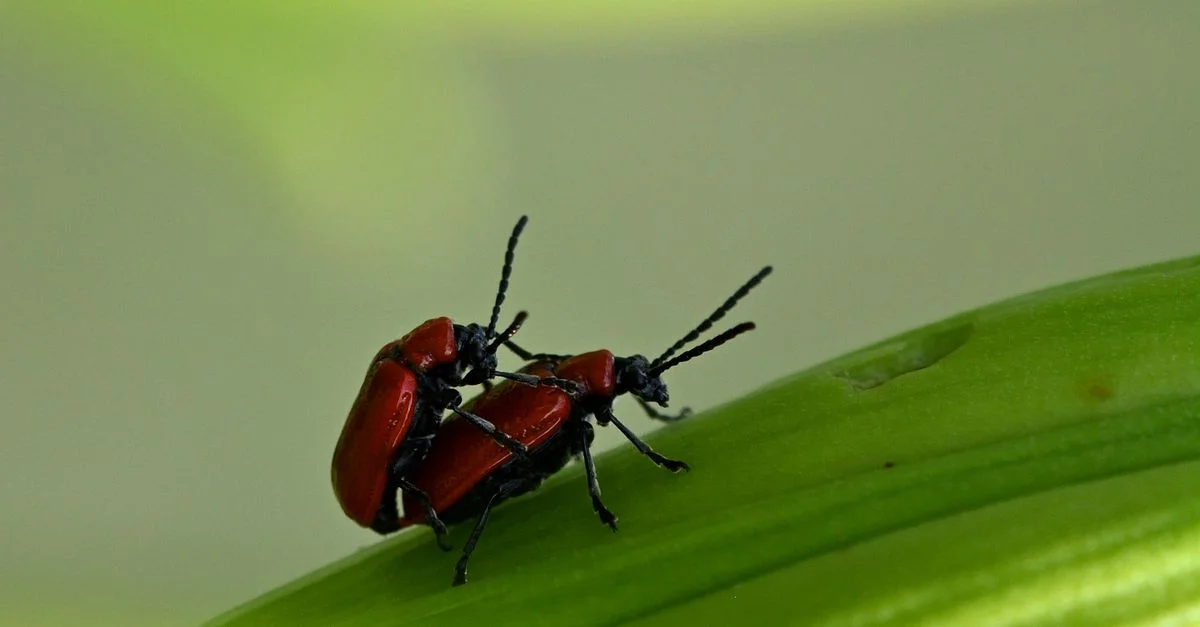
Many beetles cause damage, but their appearance varies. Japanese beetles, for instance, are metallic green and copper, skeletonizing leaves rapidly. Flea beetles are tiny, shiny, and jump when disturbed, leaving small, round 'shot-hole' damage. Weevils, identifiable by their elongated snouts, often cause notches along leaf edges or damage roots. Learning to identify garden insects that are pests quickly means you can act before widespread destruction occurs.
Beneficial Garden Insects: Friends You Want to Keep
Not every bug in your garden is bad news. Many are actively helping you, preying on pests or pollinating your plants. Learning to distinguish these allies is just as important as identifying the troublemakers.
Ladybugs, Lacewings, and Praying Mantises: Your Garden's Guardians
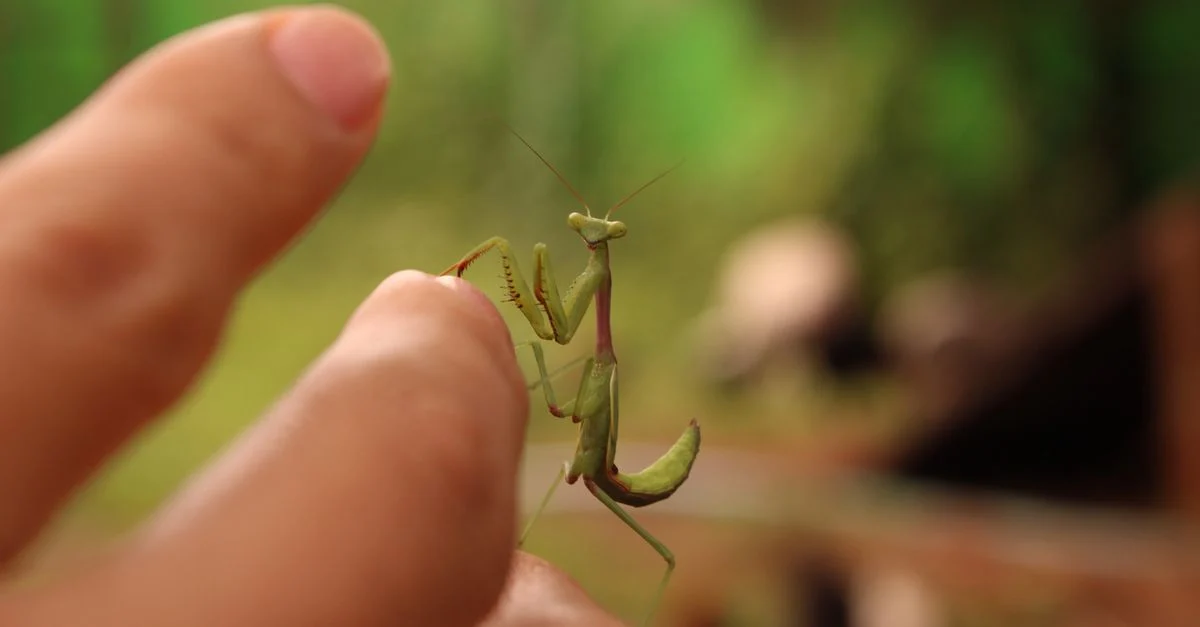
Ladybugs, with their familiar red and black spotted shells, are voracious aphid eaters in both their adult and larval stages. Lacewings, often green or brown with delicate, lacy wings, are also excellent predators of aphids and other soft-bodied pests. Praying mantises are unmistakable with their upright posture and grasping forelegs; they'll eat almost any insect, including some pests. Recognizing these insects means you won't accidentally remove them while managing your garden.
Pollinators: Bees and Butterflies
Bees, from fuzzy bumblebees to slender solitary bees, are essential for fruit and vegetable production. Butterflies, while beautiful, also contribute significantly to pollination. You'll recognize them by their distinct wing patterns and their habit of flitting from flower to flower. Creating a pet-friendly home extends to inviting beneficial insects too, providing habitats and food sources. Understanding their role helps you appreciate the biodiversity in your yard.
Tools and Techniques for Rapid Insect Identification
You don't need a lab to identify garden insects. Several practical tools and techniques can speed up the process right in your backyard.
Magnifying Glass and Smartphone Apps
A simple jeweler's loupe or a small magnifying glass (10x magnification is ideal) will reveal details of antennae, mouthparts, and wing venation that are invisible to the naked eye. For modern convenience, several smartphone apps use image recognition to help identify insects. Apps like iNaturalist or Picture Insect allow you to snap a photo and get instant suggestions, often with high accuracy. Always double-check with a reliable online source or field guide, especially if the identification is critical.
Observation and Documentation: Your Best Tools
Take the time to simply watch the insect. How does it move? What is it doing? Is it feeding, laying eggs, or just resting? Note its size, color, and any unique markings. If you're unsure, take several clear photos from different angles. Keeping a small garden journal with sketches or notes about unidentified insects and the damage they cause can help you track patterns and learn over time. This systematic approach will make you much better at identifying garden insects with confidence.
A healthy garden embraces a variety of creatures. Learning to identify garden insects helps you manage your ecosystem thoughtfully, fostering beneficial life while deterring destructive pests.
Frequently Asked Questions
Here are answers to some common questions about identifying garden insects.
How can I differentiate between a beneficial insect larva and a pest larva?
This can be tricky! Beneficial larvae often look quite different from their adult forms. Ladybug larvae, for example, are spiky, alligator-like creatures, while lacewing larvae are small, camouflaged predators with prominent pincers. Pest larvae, like cabbage worms, are typically soft-bodied and less intimidating in appearance. Focus on behavior: beneficial larvae are often actively hunting, while pest larvae are usually found directly feeding on plant tissue. When in doubt, isolate the larva and observe its feeding habits before taking action.
What should I do if I find an insect I can't identify, and it's causing significant plant damage?
If you have an unidentified insect causing serious damage, your first step is to isolate a specimen if possible, or take very clear, close-up photos. Consult local university extension offices, master gardener programs, or reputable online entomology forums. Provide as much detail as you can about the insect's appearance, the type of damage, the affected plant, and your geographic location. Avoid broad-spectrum pesticides until you know exactly what you're dealing with, as you might harm beneficial species.
Are there any common garden insects that are dangerous to humans or pets, and how can I identify them quickly?
While most garden insects are harmless, some can sting or bite. Bees and wasps are common, and while beneficial, can sting if provoked. Identify them by their distinct striped bodies and buzzing flight. Spiders, though not insects, are often found in gardens; most are harmless, but black widows and brown recluse spiders are venomous. Learn to recognize their specific markings and web types. If you have pets, understanding pet safe plants and potential insect threats helps create a safer environment. Always exercise caution when reaching into dense foliage, and teach children and pets to observe insects from a distance.