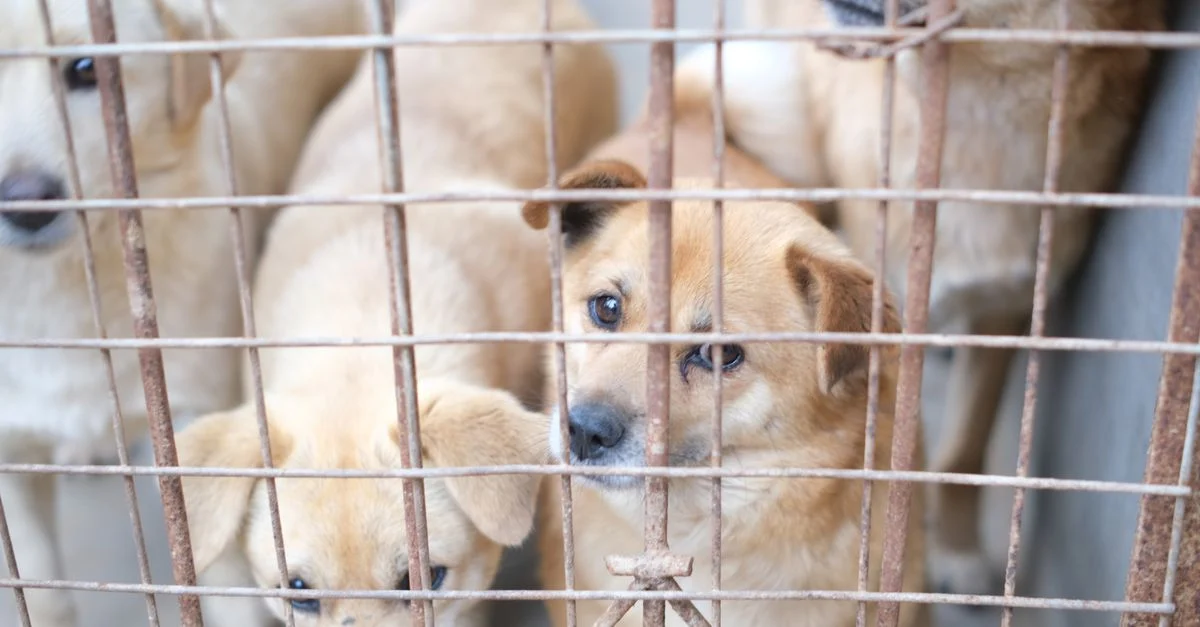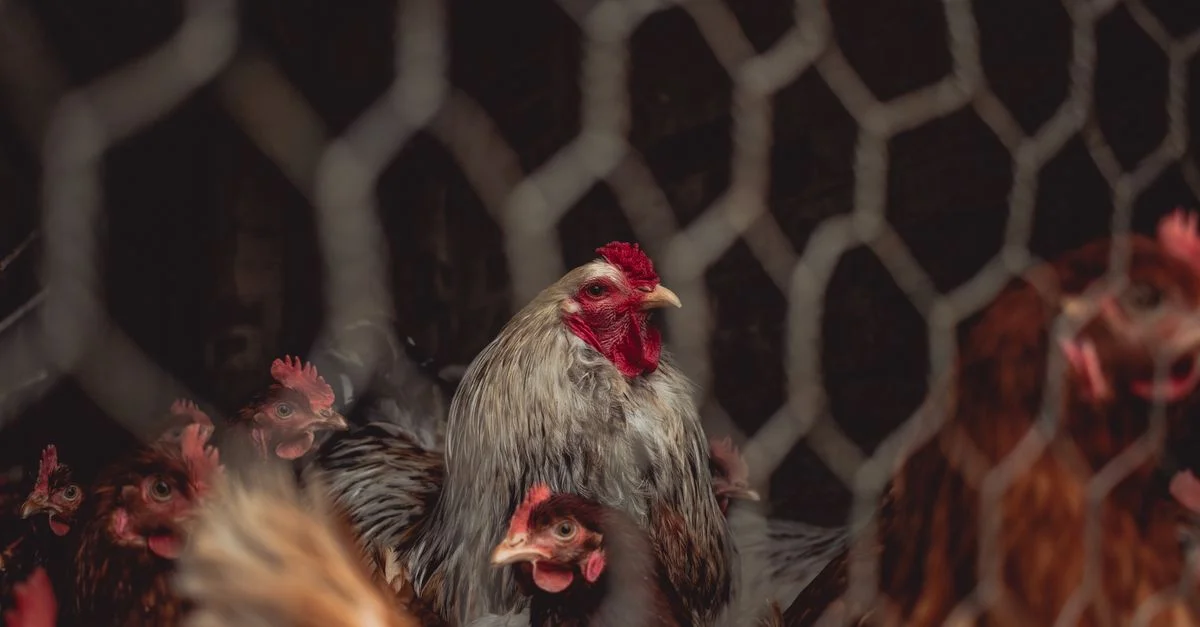
Seeing an animal in distress or suffering from neglect can leave you feeling helpless, but you have the power to make a real difference. Knowing how to report animal cruelty effectively means understanding the signs, gathering the right information, and contacting the correct authorities. This isn't just about making a phone call; it's about providing clear, actionable details that can lead to an investigation and, hopefully, a better outcome for the animal.
Animal cruelty takes many forms, from obvious physical abuse to subtle, prolonged neglect. Your vigilance and willingness to act are crucial. By following a structured approach, you can ensure your report is taken seriously and has the best chance of prompting intervention. Let's walk through the steps together.
Recognizing the Signs of Animal Cruelty
Identifying animal cruelty requires a keen eye and an understanding of normal animal behavior and care. You're looking for patterns or conditions that clearly indicate neglect, abuse, or exploitation. That a single instance might be an accident, but persistent issues are red flags.
Physical Indicators of Abuse or Neglect
Look for visible injuries that don't seem accidental, like untreated wounds, limping, or broken bones. Animals who are frequently beaten might flinch or show extreme fear when approached. Notice their overall body condition: are they severely underweight with ribs, hips, and spine protruding? Is their fur matted, dirty, or do they have bald patches, indicating skin parasites or poor grooming? Their eyes might be dull, cloudy, or have discharge. Check for poor dental health, which can be a sign of long-term neglect.
Environmental and Behavioral Clues
The animal's living conditions speak volumes. Is the animal left outside without adequate shelter from extreme weather, like a dog chained in direct sun or freezing rain? Is there clean water and food readily available? Accumulations of feces, strong odors, or unsafe enclosures (like broken fencing or sharp objects) are all signs of neglect. Behavioral changes can also be telling. An animal that is unusually aggressive, extremely timid, or constantly barking/whining might be under severe stress or fear. If you notice several of these signs, it's time to consider how to report animal cruelty.
Gathering Evidence: What to Document and How
Your report gains significant weight when backed by solid evidence. This isn't about confronting the alleged abuser, but about collecting information safely and discreetly. Your goal is to provide objective facts to the authorities.
Safe and Effective Documentation Methods
Start a detailed log. Write down specific dates, times, and descriptions of what you observe. Be as factual as possible; avoid emotional language. For example, instead of “the dog was starving,” write “the dog appeared severely underweight, with ribs clearly visible, and did not have accessible food or water on July 20, 2026, at 3:15 PM.”
Photographs and videos are incredibly powerful. Use your phone or a camera to capture the animal's condition, its environment, and any specific injuries or neglect you observe. Take photos from different angles and distances to provide context. If possible, include something in the frame that indicates the date, like a newspaper or a timestamp on your phone. Do not trespass on private property. Take pictures from public areas if possible, or from your own property if the animal is visible from there. Your safety is paramount; never put yourself in harm's way to get a photo.
Pro tip: Before you start documenting, make sure your phone's camera settings are set to include date and time stamps on photos if available, or make a note of the exact time each piece of evidence is collected. This adds credibility to your report.
Identifying the Right Authorities to Contact
Knowing who to call is a critical step in getting help. The appropriate agency depends on your location and the specific nature of the cruelty.
Local vs. National Agencies
For most cases of animal cruelty involving pets or domestic animals, your first call should be to your local animal control agency or humane society. These organizations have the legal authority to investigate, seize animals, and bring charges. Look up their non-emergency number; only use 911 if an animal is in immediate, life-threatening danger and the abuser is present and threatening further harm. Some areas also have local animal welfare organizations that can offer advice or direct you to the correct department.
If you suspect neglect or abuse at a licensed facility, such as a pet store or a zoo, you might need to contact state or federal agencies responsible for overseeing those operations. For instance, the USDA regulates animal welfare at certain commercial facilities. For large-scale operations like puppy mills, organizations like the ASPCA or Humane Society of the United States can offer guidance and may have investigative units.
Understanding the Reporting Process and What to Expect
Once you've made your report, the process typically involves several stages. It's important to understand what happens next and your role in it.
After You Make the Call
When you report animal cruelty, the agency will open a case. They'll typically ask for all the information you’ve gathered: your observations, dates, times, and any photos or videos. You might be asked to provide a written statement. An animal control officer or investigator will then visit the location to assess the situation. They will look for the signs you reported and determine if there's enough evidence to intervene. This might involve speaking with the animal's owner, issuing warnings, or, in severe cases, seizing the animal.
The investigation process can take time. Don't expect immediate action, but do follow up respectfully if you haven't heard anything within a reasonable timeframe (e.g., a week or two). Be prepared that investigators might not be able to share specific details about the ongoing case due to privacy laws. Your role is usually to provide information and cooperate if called upon for further details or testimony. caring for animals often requires patience and persistence from everyone involved.
Frequently Asked Questions
Reporting animal cruelty can bring up many questions. Here are some common ones you might have.
What if I suspect cruelty but don't have concrete proof?
Even without concrete proof, you should still report your suspicions. Animal control or humane society investigators are trained to assess situations and gather evidence that you might not be able to. Provide them with all the details you have, however small. Your report might be one piece of a larger puzzle, or it could prompt an initial welfare check that uncovers further issues. Don't let a lack of