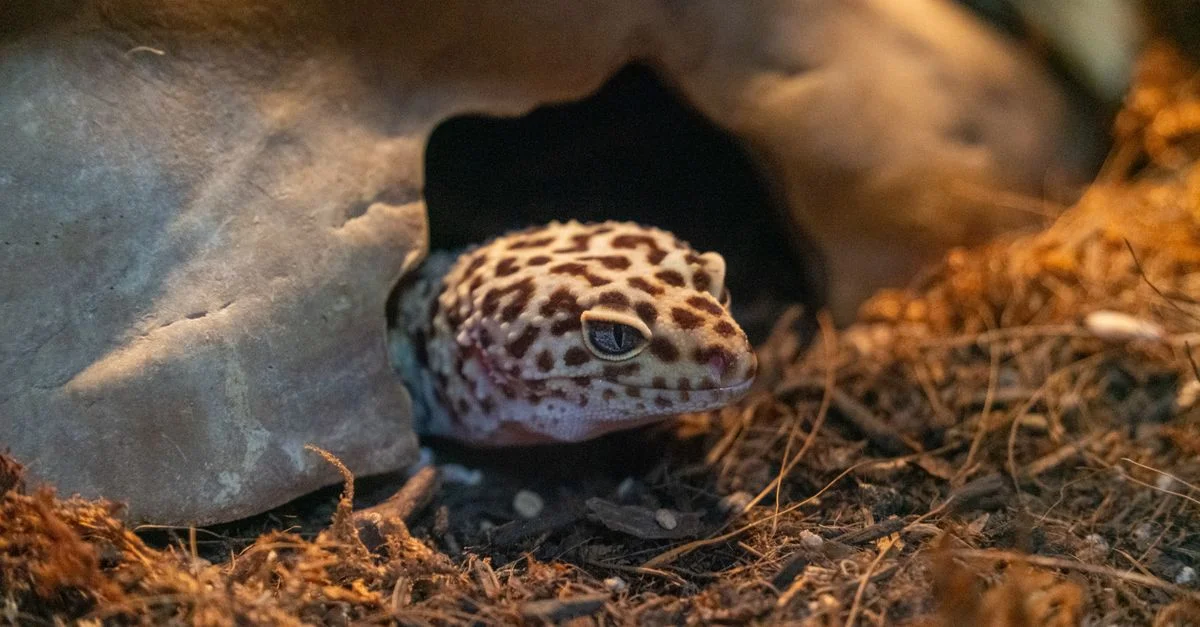
Picture a landscape of dry, rocky ground, sparse grasses, and scattered scrub brush under a scorching sun. This isn't just any desert; it's the arid and semi-arid regions of Afghanistan, Pakistan, and parts of India, where the leopard gecko, Eublepharis macularius, thrives. These hardy little reptiles have adapted to a world of temperature extremes, seeking shelter from the midday heat in rocky crevices and burrows, emerging at dusk to hunt for insects.
Recreating this specific environment is the secret to a successful pet gecko habitat. You're not just putting a lizard in a tank; you're building a miniature ecosystem that caters to their ancient instincts and biological needs. Every choice you make, from the size of the enclosure to the type of substrate, should be a deliberate nod to their wild origins.
Forget generic reptile setups. Your leopard gecko isn't a rainforest dweller or a tree climber. They're ground-dwelling, crepuscular (most active at dawn and dusk) hunters who rely on specific temperature gradients and secure hiding spots to feel safe and healthy. Let's build a pet gecko habitat that truly mimics their natural world.
What a Leopard Gecko's Natural Habitat Looks Like
The native range of leopard geckos spans a significant portion of Asia, specifically the rocky, dry grasslands and desert areas of Afghanistan, Pakistan, northwestern India, and parts of Iran. This isn't the vast, sandy Sahara desert you might imagine. Instead, think of a rugged terrain filled with rocks, sparse vegetation, and hard-packed earth. During the day, temperatures can soar, but at night, they drop significantly.
Life Underground and Among Rocks
Leopard geckos spend their days largely out of sight, tucked away in burrows, under rocks, or in rock crevices. This behavior offers crucial protection from predators and, more importantly, provides a stable microclimate. These underground retreats shield them from the intense daytime heat and help them retain moisture. When the sun sets and temperatures become more forgiving, they emerge to hunt for insects and other invertebrates.
Understanding this preference for secure, grounded shelter and a distinct day-night temperature cycle is fundamental. It informs every decision you make for your pet gecko habitat, ensuring you provide not just survival, but genuine thriving conditions.
Choosing the Right Enclosure Size
Many new owners underestimate the space a leopard gecko needs. While they might seem small, adequate floor space is far more important than height for these ground-dwellers.
Minimum Tank Dimensions for Growth
For a juvenile leopard gecko (up to about 6 months old), a 10-gallon tank (20" L x 10" W x 12" H) provides sufficient space. This size also makes it easier to monitor their eating habits and general health, and to maintain the correct temperature gradient. Once your gecko reaches adulthood, typically around 12-18 months, you'll need to upgrade.
An adult leopard gecko requires a minimum of a 20-gallon long tank (30" L x 12" W x 12" H). The "long" dimension is important here, providing ample floor space for exploration, hunting, and creating distinct warm and cool zones. While a taller tank might look impressive, your gecko will primarily use the horizontal space. A 40-gallon breeder tank (36" L x 18" W x 18" H) is even better, offering more room for enrichment and a more stable environment.
Pro tip: Always prioritize floor space over height. A leopard gecko will rarely climb vertically more than a few inches, preferring to navigate horizontally across their pet gecko habitat.
Getting the Temperature and Humidity Gradient Right
Controlling temperature and humidity is arguably the most critical aspect of your leopard gecko's health. They rely on their environment to regulate their body temperature, a process called thermoregulation.
Establishing Warm and Cool Zones
Your pet gecko habitat needs a distinct warm side and a cool side. The warm side, or basking area, should maintain a surface temperature of 90-94°F (32-34°C). This is best achieved with an under-tank heating mat, regulated by a thermostat, covering about one-third of the tank floor. Do not use heat rocks, as they can cause severe burns.
The cool side of the tank should range from 75-80°F (24-27°C). Ambient air temperature throughout the enclosure should generally be between 75-85°F (24-29°C) during the day. At night, a slight temperature drop to 68-75°F (20-24°C) is natural and beneficial, mimicking their wild environment. Avoid drops below 65°F (18°C).
Humidity for Shedding
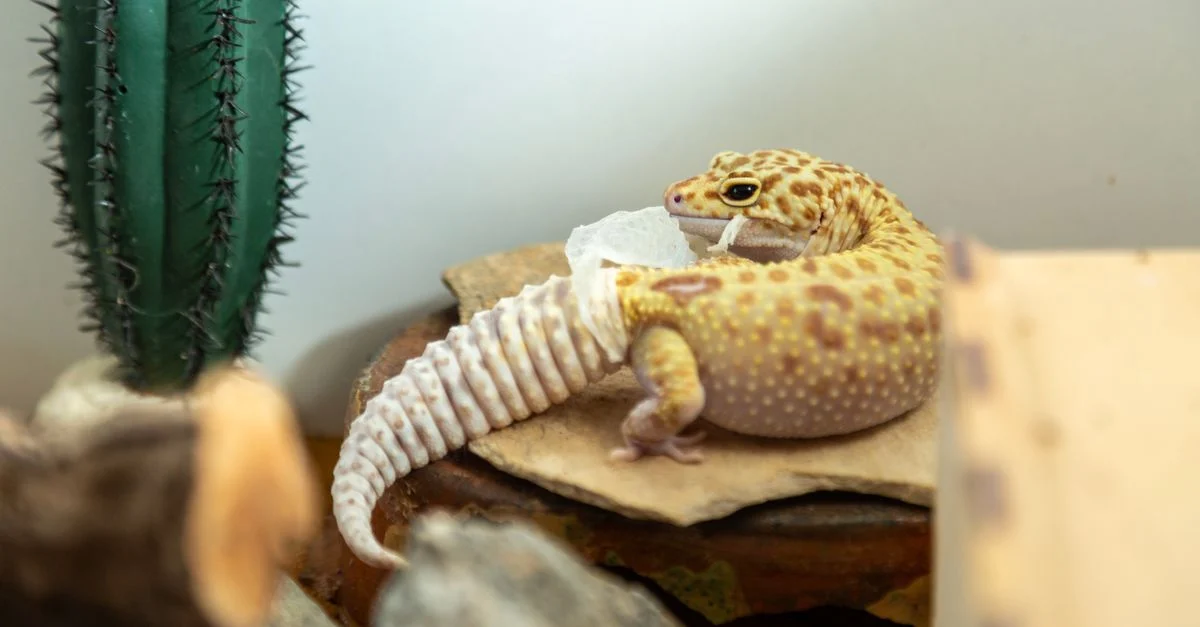
Ambient humidity in your leopard gecko habitat should be relatively low, around 30-40%. However, they absolutely need a humid hide for successful shedding. This hide should maintain humidity levels between 70-80%. You can achieve this by placing damp sphagnum moss or paper towels inside a hide on the cooler side of the tank, misting it lightly every other day. This microclimate is crucial for preventing stuck shed, especially around their toes and eyes.
Substrate: What's Actually Safe
The debate over loose substrate for leopard geckos is long-standing, but the consensus among experienced keepers is clear: avoid anything they can ingest and become impacted by. Impaction is a serious, often fatal, condition.
Safe and Unsafe Substrate Choices
For hatchlings and juveniles, and as a generally safe option for adults, use paper towels, newspaper, or slate tile. These are non-ingestible, easy to clean, and hold heat well. Reptile carpet is another option, though it can harbor bacteria if not cleaned frequently and thoroughly, and sometimes snags claws.
Never use calcium sand, crushed walnut shells, or other fine, particulate substrates. Despite marketing claims, these are extremely dangerous. Geckos will often lick their environment, and accidental ingestion of these materials leads to impaction. Even larger substrates like aspen shavings or cypress mulch carry impaction risks if ingested. The only exception for loose substrate might be a high-quality, organic topsoil mix (without fertilizers or perlite) if carefully managed in a very large enclosure, but for most owners, it's an unnecessary risk.
A simple, solid substrate is the best choice for your pet gecko habitat to keep them safe and healthy. For more on general reptile housing, consider our guide to reptile habitat setup.
Hides, Decor, and Enrichment
Leopard geckos are masters of hiding. Providing ample, secure hiding spots is not just decor; it's a fundamental welfare requirement that reduces stress and makes them feel safe.
The Essential Three-Hide Setup
You need at least three hides in your pet gecko habitat:
- Warm Hide: Place this on the heated side of the tank. It allows your gecko to absorb heat directly from the under-tank heater while feeling secure.
- Cool Hide: Position this on the unheated side. It provides a retreat when your gecko needs to cool down.
- Humid Hide: Often placed on the cooler side, this hide contains damp substrate (like sphagnum moss) and is vital for shedding. Without it, your gecko can suffer from stuck shed, which leads to health issues.
Beyond hides, incorporate climbing opportunities. While not arboreal, leopard geckos enjoy climbing low branches, rocks, and cork bark flats. These add vertical interest and allow them to survey their surroundings from a slightly elevated position. Ensure everything is stable and won't tip over. Fake plants, sturdy branches, and smooth rocks all contribute to a stimulating and naturalistic environment.
Common Habitat Mistakes That Stress Out Pet Geckos
Even with good intentions, new owners often make a few common errors that can negatively impact their leopard gecko's well-being.
Overlooking the Details
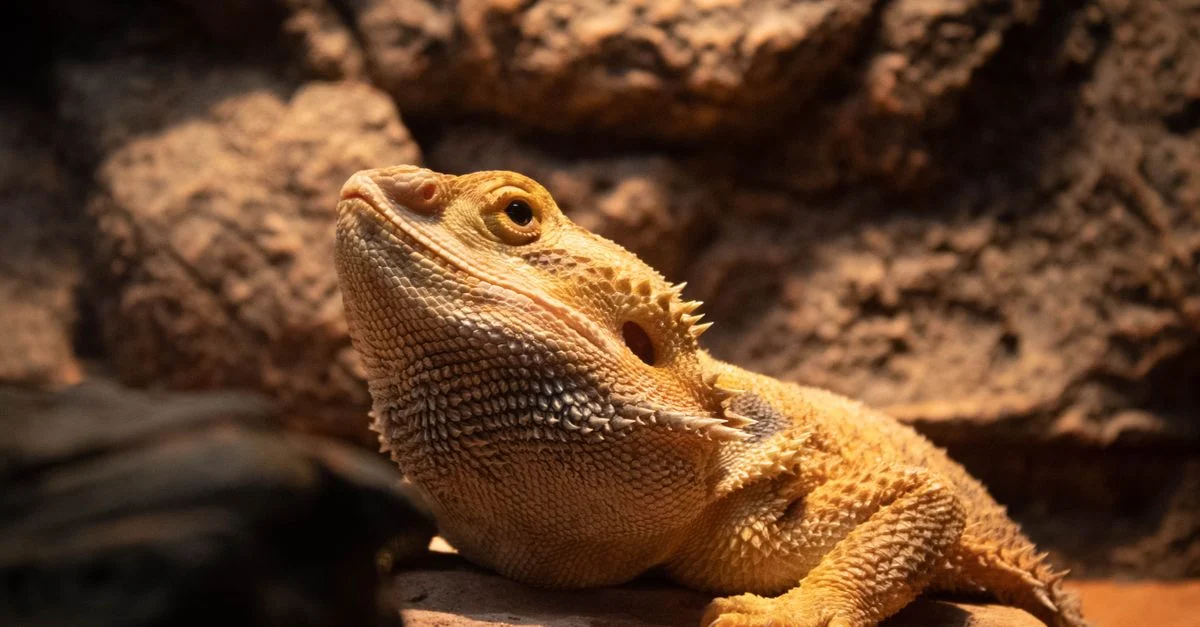
One frequent mistake is using overhead heat lamps without an under-tank heater. While overhead lamps provide ambient warmth, leopard geckos absorb heat from their bellies in the wild, so a heat mat is crucial for digestion. Another error is relying on stick-on analog thermometers; these are notoriously inaccurate. Invest in a digital thermometer/hygrometer with probes to get precise readings for both the warm and cool sides — the same setup logic applies if you ever branch out into keeping a bearded dragon too.
Failing to provide a proper humid hide or not keeping it adequately moist is a major issue, leading to difficult sheds and potential loss of digits. Also, neglecting proper cleaning can quickly lead to bacterial growth. Spot-clean waste daily and perform a full substrate and decor clean every 2-4 weeks, depending on the setup. If you're looking for broader guidance on reptile habitat maintenance, we have more resources.
Finally, keeping multiple geckos together is almost always a mistake, even if they seem to get along. Leopard geckos are solitary animals and cohabitation often leads to stress, resource competition, and potential injuries, especially if males are housed together. Each gecko needs its own individual pet gecko habitat.
Frequently Asked Questions
Here are some common questions about setting up and maintaining a leopard gecko habitat.
Do pet geckos need a UVB light if they are nocturnal?
While leopard geckos are crepuscular, meaning most active at dawn and dusk rather than strictly nocturnal, scientific consensus now suggests that low-level UVB lighting is beneficial. It aids in calcium metabolism and overall health. A 5.0 strength linear fluorescent UVB bulb, covering about half the tank length, on for 10-12 hours a day, is often recommended. Ensure there are shaded areas where your gecko can retreat from the UVB if they choose.
How often should a gecko habitat be cleaned?
You should spot clean your leopard gecko's habitat daily, removing any feces or uneaten food. A more thorough cleaning, involving removing and disinfecting all decor and replacing substrate (if using paper towels or newspaper), should happen every 2-4 weeks. For solid substrates like tile, weekly deep cleaning is appropriate. Use a reptile-safe disinfectant and ensure everything is thoroughly rinsed and dry before returning your gecko to the enclosure.
Can two pet geckos share the same habitat?
No, leopard geckos are solitary animals and should always be housed individually. Even if you see them together at a pet store, it's not a healthy long-term arrangement. Cohabitation, especially with two males, will lead to fighting, stress, and serious injury. Females can also fight, particularly over resources. To avoid stress and potential harm, provide each leopard gecko with its own separate and appropriately sized pet gecko habitat.