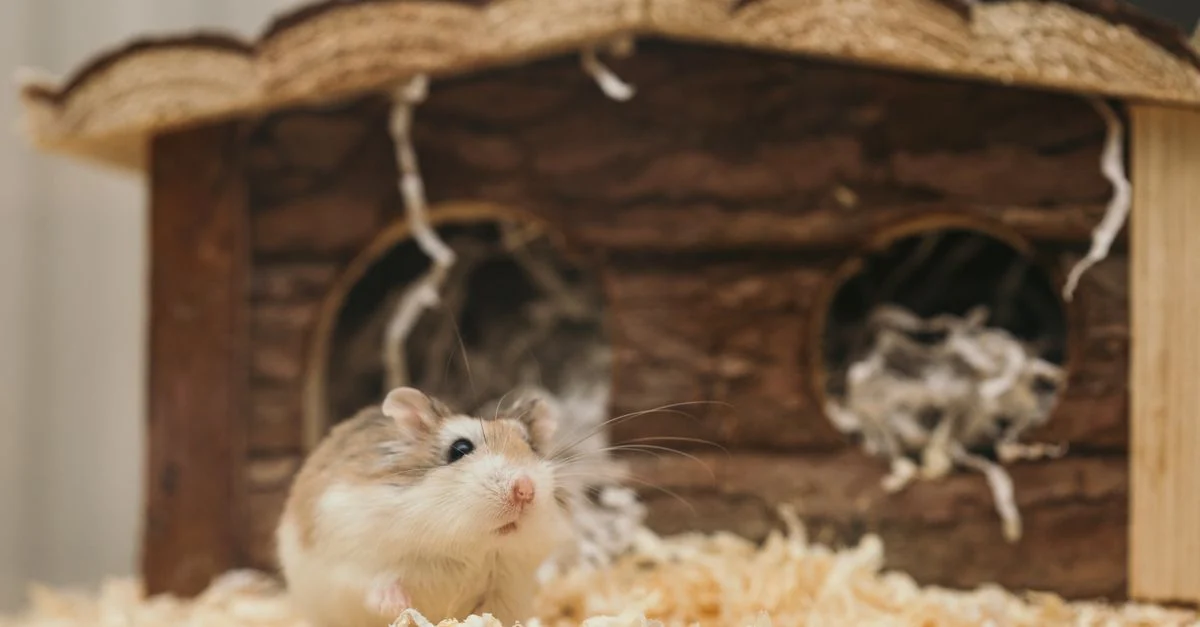
You’ve just brought home a tiny, whiskered bundle of energy, perhaps a Syrian hamster, and you want to give them the best life possible. You picked up what looked like a perfectly adequate Syrian hamster cage, maybe a starter kit from a pet store, and it seems fine, right? It has a wheel, a water bottle, and a food dish. It’s colorful and looks like a hamster’s dream home.
Here's the often-unspoken truth: many of those popular starter kits, even ones marketed specifically for Syrian hamsters, are far too small. The dimensions recommended by many pet-care sites and even some published veterinary resources fall short of what leading animal welfare organizations consider the absolute minimum for a hamster's well-being.
Understanding the real space requirements isn't just about giving your hamster room to run; it's about preventing stress, discouraging destructive behaviors like bar-biting, and allowing them to express natural instincts like burrowing and hoarding. Let’s look at the actual numbers and why they matter for your new pet.
How Much Space a Syrian Hamster Actually Needs
When you ask what constitutes a good Syrian hamster cage, the answer from animal welfare experts is clear: you need significantly more floor space than most people realize. Organizations like TVT (a German veterinary welfare association), Blue Cross, PDSA, and Woodgreen, all major animal charities, agree on a minimum floor space of 100cm x 50cm. That translates to 5000 square centimeters, or approximately 775 square inches.
This isn't just a recommendation; it matches Germany's federal minimum requirement for hamster housing. While Switzerland has a slightly smaller legal minimum of 3800 sq cm, the 775 sq in / 5000 sq cm standard is widely accepted as the benchmark for proper care. The crucial point here is that many widely available "starter kit" cages, and even some care sheets, recommend dimensions as small as 24 inches x 12 inches, which is only 288 square inches. This is roughly a third of the real minimum, and it sets your hamster up for stress and boredom.
Why Space Matters So Much
A cramped environment directly impacts a hamster's health and happiness. Hamsters are active creatures, naturally covering long distances in the wild. When confined to a small space, they can develop stress-related behaviors like relentless bar-biting, pacing, and obsessive cage chewing. These aren't cute quirks; they are signs of distress. Providing ample floor space allows them to forage, explore, and simply move around without feeling trapped. This applies to dwarf hamster species as well; despite their smaller size, they need the same minimum floor space as a Syrian.
Think of it this way: would you be happy living in a single closet for your entire life? Your hamster feels a similar restriction in an undersized cage. A larger Syrian hamster cage allows for proper enrichment, multiple hides, and deep bedding, all essential for a thriving hamster.
Comparing Cage Types: Bins, Wire Cages, and Tanks
Choosing the right type of Syrian hamster cage involves understanding the pros and cons of each common design. Each has its own benefits and drawbacks when it comes to meeting the essential space and enrichment needs.
Bin Cages: Affordable and Spacious
Large plastic storage bins, often called "bin cages," are a popular DIY option for a reason. They are relatively inexpensive and make it easy to achieve the necessary floor space. You can often find bins that are 50 gallons or larger, providing upwards of 600-800 square inches of floor space. The solid sides prevent bedding from scattering and allow for deep substrate, which is crucial for burrowing. You'll need to cut out sections of the lid and sides and replace them with hardware cloth or mesh for ventilation, but this is a straightforward modification. They are also easy to clean.
Wire Cages: Ventilation and Levels (with caveats)
Wire cages offer excellent ventilation and often come with multiple levels, which can seem appealing. However, they frequently fall short on floor space. Many commercially available wire cages, even those advertised for Syrians, are well under the 775 square inch minimum. The wire bars also present a chewing hazard and can lead to bar-biting, a common stress behavior. If you choose a wire cage, ensure the bar spacing is narrow enough to prevent escapes (more on that below) and prioritize finding one with a solid plastic base that is deep enough to hold substantial bedding.
Glass or Acrylic Tanks: Great for Bedding Depth
Aquarium tanks or custom-built acrylic enclosures are excellent choices for a Syrian hamster cage. Their solid sides mean you can pile bedding incredibly deep without it spilling out, which is ideal for natural burrowing behavior. A 40-gallon breeder tank (which has a wider footprint than a standard 40-gallon tank) or larger often meets or exceeds the minimum floor space. Ventilation can be a concern if the tank has a solid lid, so always use a mesh lid to allow for proper airflow. Tanks can be heavy and more expensive than bin cages, but they offer a clear view of your hamster's activities and are generally very secure.
Pro tip: When looking at tank sizes, remember that a 40-gallon breeder tank generally has a larger footprint (36x18 inches) than a standard 40-gallon tank (48x12 inches), making it a better choice for hamsters who need floor space over vertical height.
Bedding Depth for Natural Burrowing
Your Syrian hamster needs to dig. In the wild, they create intricate tunnel systems for shelter, food storage, and raising young. Without the ability to burrow, they miss out on a fundamental natural behavior, leading to frustration and stress. This is why bedding depth is just as important as floor space.
Creating a Burrowing Haven
Aim for at least 8-10 inches of bedding depth in at least part of the enclosure. More is always better. This allows your hamster to dig tunnels, create sleeping chambers, and hide their food stashes. If your cage doesn't have a deep enough base, consider adding a "bedding barrier" or using a tank or bin cage that naturally accommodates more substrate.
Safe bedding options include paper-based bedding (like Carefresh or similar brands), aspen shavings, or kiln-dried pine shavings. Avoid cedar or unkiln-dried pine, as the aromatic oils can cause respiratory problems. Fluffy "cotton-like" bedding is also dangerous, as it can cause impactions if ingested or entangle limbs, leading to injury. Always prioritize natural, dust-free options that hold their shape well for tunneling.
Wheel Size and Enrichment Essentials
A wheel isn't just an accessory; it's a necessity for an active Syrian hamster. But the size matters immensely for their physical health.
The Right Wheel Prevents Injury
Syrian hamsters need a wheel at least 11 inches (28cm) in diameter. This is noticeably larger than the 7-8 inch wheels often bundled with starter cages, which are sized for dwarf hamsters. Using an undersized wheel for a Syrian hamster can cause their back to arch unnaturally during use, leading to spinal curvature and long-term pain. Always choose a solid-surface wheel, not one with rungs, to prevent bumblefoot and other foot injuries. Look for quiet, free-standing wheels that can be placed directly on the cage floor or attached securely to the side.
Beyond the Wheel: Essential Enrichment
Enrichment goes beyond just a wheel. Your hamster needs items to chew, climb, and explore. Provide multiple hides – small houses, tunnels, or even cardboard tubes – so they can feel secure and have options for sleeping and storing food. Chew toys made from safe woods or cardboard are vital for keeping their teeth trimmed and preventing boredom. Scatter feeding, where you hide food around the cage instead of just using a bowl, encourages natural foraging behaviors and provides mental stimulation. Adding sand baths with chinchilla sand (not dust) also allows them to clean their fur naturally.
A varied habitat with plenty of small pet habitat tips makes for a happier, healthier hamster. Think about what they would encounter in a natural environment and try to replicate those opportunities.
Bar Spacing and Escape Prevention
If you opt for a wire Syrian hamster cage, bar spacing is a critical safety consideration. A hamster's ability to squeeze through seemingly impossible gaps is legendary.
Secure Enclosures
For Syrian hamsters, bar spacing should be no more than 0.5 inches (1.27 cm). Any wider, and your hamster is likely to escape. This is another reason many starter cages fail; they often have wider spacing suitable for larger rodents, but not a determined Syrian. Check all corners, doors, and access points for potential weak spots. Hamsters are master escape artists, and even a tiny gap can be exploited.
When hamsters are housed in undersized or poorly designed enclosures, you'll often see an increase in compulsive behaviors like bar-biting. This isn't just an attempt to escape; it's a sign of stress and boredom. They are trying to create more space or simply alleviate their frustration. A secure, spacious cage with proper enrichment reduces the likelihood of these behaviors significantly.
Common Cage Mistakes New Owners Make
Despite the best intentions, new hamster owners often fall into a few common traps when setting up their pet's home. Avoiding these missteps will give your hamster a much better start.
Trusting the "Starter Kit"
The most frequent mistake is assuming a pet-store starter kit labeled "hamster cage" is actually suitable for a Syrian hamster. As discussed, these are almost universally too small, often offering only a third of the required floor space. Always check the dimensions yourself against the 775 sq in / 5000 sq cm minimum, regardless of what the packaging claims — the same "check the actual dimensions, not the marketing" rule applies across most pocket pet care in general.
Undersized Wheels
Another common error involves the wheel. Many starter kits include a 6-8 inch wheel, which is appropriate for dwarf hamsters but far too small for a Syrian. An undersized wheel causes spinal issues over time. Invest in an 11-inch (28cm) or larger solid-surface wheel from day one.
Wire Floors and Ladders
Cages with wire floors or wire ladders are dangerous. Hamsters can get their tiny feet caught, leading to painful injuries like bumblefoot or even broken limbs. Always ensure all surfaces your hamster walks on are solid. If your cage has wire levels, cover them with cardboard, plastic, or a safe material to create a solid surface.
Not Upgrading as They Mature
Sometimes, owners start with a smaller cage thinking they'll upgrade later. However, hamsters grow quickly, and they need that space immediately. Don't wait; provide the appropriate minimum cage size from the moment you bring your hamster home. For more general advice, you can always check out these hamster care tips to set yourself up for success.
Frequently Asked Questions
Here are some common questions new owners have about Syrian hamster cages.
Is a 40-gallon tank big enough for a Syrian hamster?
A standard 40-gallon tank (usually 48x12 inches) provides 576 square inches of floor space, which is still below the recommended 775 sq in minimum. However, a 40-gallon breeder tank (typically 36x18 inches) offers 648 square inches, which is much closer and often considered acceptable if combined with excellent enrichment. Ideally, aim for a 50-gallon tank or larger to comfortably meet the minimum.
Can a Syrian hamster live in the same size cage as a dwarf hamster?
Yes, but not in the way most people think. Both Syrian and dwarf hamsters need the same minimum floor space of 775 square inches (5000 sq cm). Many people mistakenly believe dwarf hamsters need less space because they are smaller, but their activity levels and need for burrowing are just as high. So, if you have a cage suitable for a Syrian, it will also be appropriate for a dwarf hamster.
How do I upgrade my hamster to a bigger cage without stressing them out?
Transitioning your hamster to a new, larger Syrian hamster cage should be done carefully. Place their old nest, a few familiar toys, and some of their old bedding (unsoiled) into the new enclosure. This transfers their scent and helps them feel secure. Put the new cage in the same location as the old one, if possible. You can also let them explore the new cage during supervised playtime before fully moving them in. Gradual introduction helps reduce stress.