So, you're dreaming of fresh eggs every morning, right from your own backyard? It's a fantastic goal, and with the right approach, it's absolutely achievable. The first step for any aspiring chicken keeper is selecting the best egg-laying chicken breeds for your specific needs and climate. You'll find that some breeds are remarkably forgiving for beginners, offering steady egg production without demanding too much specialized care.
Forget the idea that all chickens are the same when it comes to laying. Some hens will reliably give you an egg almost every day, while others are more seasonal or prone to broodiness. Understanding these differences before you commit helps set you up for success and minimizes surprises down the road. We'll walk you through the top contenders, making your choice much simpler.
Understanding Egg Production: What to Expect from Beginner Breeds
When you're just starting, managing expectations around egg production is smart. Most beginner-friendly breeds will start laying around 4-6 months old. You can generally expect 4-6 eggs per week from a healthy hen during her peak laying years, which typically last for the first two to three years. After that, production gradually declines, though many hens will continue to lay smaller amounts for several more years.
Egg Quantity, Size, and Color
Don't be surprised if the first few eggs are smaller or oddly shaped; this is completely normal for pullets just starting to lay. Within a few weeks, they'll settle into a consistent rhythm. Egg size varies by breed, with some laying jumbo eggs and others producing medium-sized ones. Shell color also depends entirely on the breed, ranging from classic brown to striking blue or even olive green. Rest assured, shell color has no bearing on taste or nutritional value.
Pro tip: Provide a consistent 14-16 hours of light per day, especially in winter, to encourage steady egg production. A simple timer on a coop light can make a big difference.
Top 5 Cold-Hardy Egg Layers for Northern Climates
If you live where winters are harsh, choosing breeds that tolerate cold is non-negotiable. These chickens have denser feathering and often smaller combs and wattles, making them less susceptible to frostbite. They continue laying even when temperatures drop, though production might slow slightly.
Breeds That Brave the Chill
- Wyandotte: These beautiful birds with rose combs are excellent layers of large brown eggs. They are calm, friendly, and handle cold exceptionally well. Expect around 4-5 eggs per week.
- Plymouth Rock (Barred Rock): A classic American breed, Barred Rocks are robust, friendly, and consistent layers of large brown eggs. They're known for their docile temperament and adaptability, laying 4-5 eggs weekly.
- Orpington: Known for their fluffy appearance and sweet disposition, Orpingtons are fantastic backyard birds. They lay medium-sized brown eggs, usually 3-4 per week, and their dense feathering makes them very cold-tolerant.
- Australorp: A dual-purpose breed originating from Australia, Australorps are hardy and lay an impressive number of large brown eggs, often 5-6 per week. They adapt well to various climates but shine in cooler conditions.
- Dominique: One of America's oldest breeds, Dominiques are active foragers and incredibly cold-hardy. They lay medium brown eggs, about 4 per week, and have a unique rose comb that resists frostbite.
Top 5 Heat-Tolerant Egg Layers for Southern Climates
For those in warmer regions, selecting breeds that can handle high temperatures without suffering from heat stress is crucial. These chickens often have lighter feathering, larger combs and wattles for heat dissipation, and a more active disposition.
Keeping Cool While Laying
- Leghorn: The undisputed champion of white egg layers, Leghorns are prolific, laying 5-6 large white eggs per week. They are active, lean birds that handle heat very well due to their lighter bodies and large combs.
- Rhode Island Red: While also cold-hardy, Rhode Island Reds adapt well to heat, especially if given shade and plenty of water. They are consistent layers of large brown eggs, giving you 5-6 per week, and are quite hardy.
- Fayoumi: An ancient Egyptian breed, Fayoumis are incredibly heat-tolerant and disease-resistant. They are active, flighty birds that lay small white or tinted eggs, about 3-4 per week. They are excellent foragers.
- White Faced Black Spanish: These striking birds are known for their large white earlobes and handle heat effectively. They are good layers of large white eggs, typically 3-4 per week, and have a calm demeanor.
- Minorca: Another Mediterranean breed, Minorcas are sleek, active chickens that cope well with heat. They lay large white eggs, around 4 per week, and are known for their striking appearance and large combs.
Dual-Purpose Breeds: Eggs and More for the Beginner Homesteader
If you're looking for chickens that provide both a reliable supply of eggs and a decent amount of meat, dual-purpose breeds are your answer. These birds grow to a good size while still offering consistent egg production, making them economical for small homesteads.
Getting the Best of Both Worlds
Consider breeds that mature at a moderate rate and have a good carcass size once their laying years are over. You'll find many of the cold-hardy breeds also fall into this category. For general barnyard animal care, these versatile chickens are excellent choices.
- Wyandotte: Beyond their cold tolerance, Wyandottes are plump, well-muscled birds that dress out nicely. They are productive layers and offer good meat yield.
- Plymouth Rock: Barred Rocks are substantial birds, growing to a good size for meat while providing those consistent brown eggs. They are known for their calm temperament.
- Orpington: Their fluffy appearance hides a good amount of meat. Orpingtons are slower to mature but provide a tender carcass and are very docile, making them easy to manage for beginners.
- Australorp: These highly productive layers also grow into good-sized birds, offering both quantity in eggs and quality in meat. They are active and robust.
- Delaware: A heritage American breed, Delawares are excellent dual-purpose birds. They lay large brown eggs consistently (4-5 per week) and have a fast growth rate for meat production. Their calm temperament is a bonus.
Integrating New Layers: Tips for a Smooth Flock Introduction
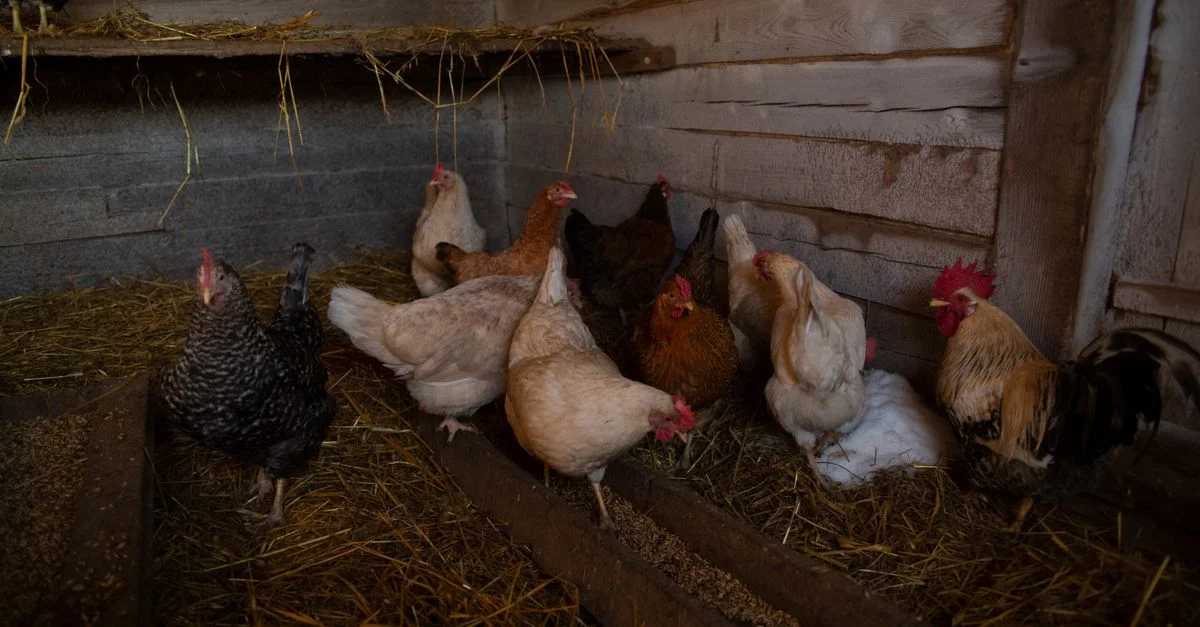
Introducing new hens to an existing flock can be tricky, as chickens establish a pecking order. A smooth introduction minimizes stress for everyone and helps your new egg-laying chicken breeds settle in quickly.
Steps for a Stress-Free Welcome
Always start by quarantining new birds for at least 30 days. This lets you monitor their health and ensure they aren't bringing any diseases into your existing flock. Set up a separate space with food and water for them. Once quarantine is complete, introduce them gradually. Place the new birds in a separate, secure run or large dog crate within sight of your established flock for a few days. This allows them to get used to each other without direct contact. For more general chicken care guidance, a good resource can help you prepare.
After a few days of visual integration, try introducing them at night, placing the new birds on roosts after your established flock has settled. In the morning, they will wake up together, which can help mask the initial introduction. Provide plenty of space, extra feeders, and waterers to reduce competition. Monitor interactions closely for the first few days and be prepared to separate if excessive bullying occurs. It usually takes a week or two for a new pecking order to fully establish.
Frequently Asked Questions
Here are some common questions beginners often have about their new egg-laying chicken breeds.
How do I tell if my hen is laying eggs or just broody?
A laying hen will typically visit the nest box for 20-60 minutes, lay an egg, and then go about her day. A broody hen, however, will sit in the nest box for extended periods, often all day, even if there are no eggs. She'll likely fluff up her feathers, growl or peck if you try to move her, and may refuse to leave the nest to eat or drink. Her comb and wattles might also appear paler.
What are the signs of common health issues in beginner egg-laying breeds?
Watch for changes in behavior, appetite, or appearance. Signs of illness include lethargy, ruffled feathers, watery eyes or nasal discharge, pale comb and wattles, limping, or a sudden drop in egg production. Diarrhea or pasty vent (feces stuck around the vent) are also red flags. If you notice any of these, isolate the affected bird immediately and consult a vet or experienced chicken keeper.
Can different egg-laying breeds be housed together without problems?
Yes, most egg-laying chicken breeds can live together peacefully. The key is to introduce them properly and ensure adequate space, food, and water to prevent competition. Temperament plays a role; very docile breeds might get picked on by more assertive ones, so observe your flock for any consistent bullying. Generally, mixing breeds with similar dispositions works best. For tips on how to introduce different animals safely, some of the same principles apply.