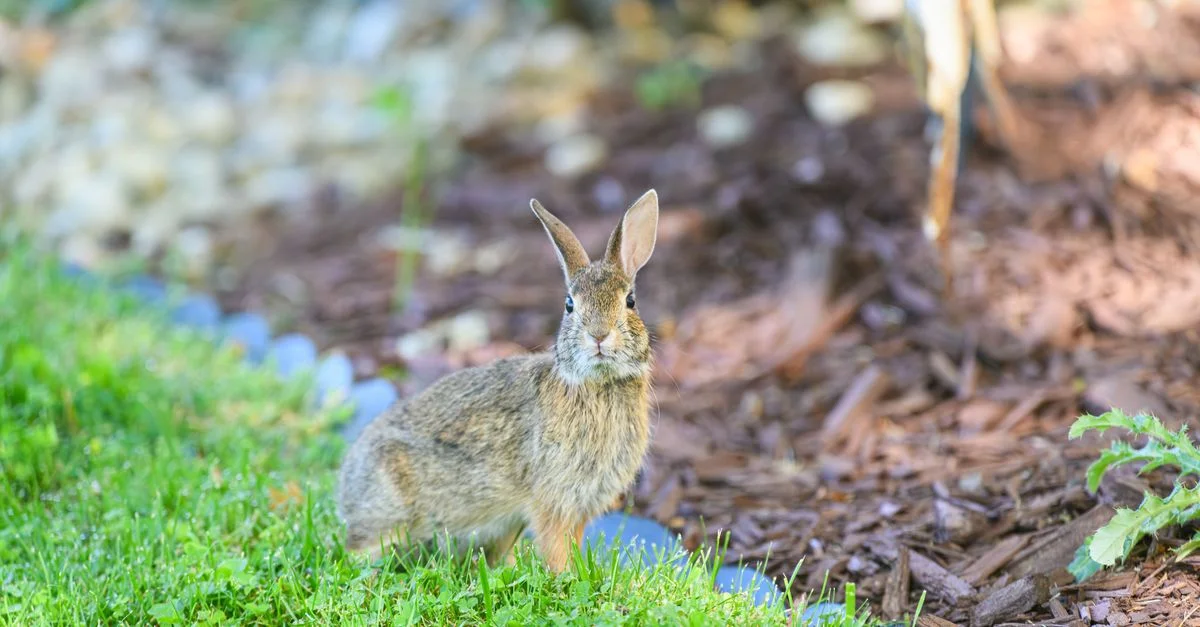
Imagine sipping your morning coffee while a vibrant hummingbird sips nectar from your flowers, or watching a busy squirrel gather nuts from a tree you planted. Creating a backyard sanctuary where nature thrives is deeply rewarding, but it’s vital to do it safely for both the animals and your family. You want to attract backyard wildlife, not endanger it. This guide will walk you through precise steps to invite local creatures responsibly, ensuring they find a safe haven without encountering common hazards.
It’s about striking a balance. You're not just providing a meal; you're cultivating an ecosystem. Thoughtful planning and understanding the specific needs of local species will make all the difference. Get ready to transform your outdoor space into a vibrant, living landscape that supports the natural world right outside your door.
Creating a Safe Haven: Essential Habitat Elements
To truly attract backyard wildlife, you need to think like a wild animal. What are their non-negotiable needs? Shelter, water, and food are the absolute basics. By providing these strategically, you create an inviting environment that encourages creatures to visit and even stay.
Shelter and Hiding Places
Wildlife needs places to hide from predators, harsh weather, and even just to rest. Consider dense shrubbery, brush piles, and rock crevices. A simple brush pile made from fallen branches provides excellent cover for small mammals and birds. For birds, try installing nesting boxes specifically designed for species common in your area, like bluebirds or wrens. Ensure these boxes are placed at appropriate heights and orientations to avoid overheating and predation. You can also build a pet friendly home for smaller creatures with a few simple additions.
Accessible Water Sources
Water is perhaps the most crucial element. A shallow bird bath with a sloped edge allows various bird sizes to drink and bathe safely. Clean the bird bath every other day to prevent algae and mosquito breeding. For larger animals, a small, shallow pond with gently sloping sides can be a magnet. Avoid deep, steep-sided water features that could trap animals. A freshwater aquarium inside gives you a similar joy, but for backyard wildlife, naturalistic water features are best.
Food Sources Beyond Feeders
While feeders have their place, relying on natural food sources makes your yard a more sustainable habitat. Native plants, which we'll discuss next, are excellent for this. Beyond plants, consider leaving some areas of your lawn unmowed to allow wildflowers and grasses to grow, providing seeds and attracting insects that many animals eat. Fallen leaves also create habitat for insects, which in turn feed birds and other creatures. This creates a natural food web that supports a variety of species.
Planting for Wildlife: Native Species and Their Benefits
Choosing the right plants is arguably the most impactful step you can take to attract backyard wildlife. Native plants are those that naturally occur in your region. They are perfectly adapted to your local climate and soil conditions, requiring less water and maintenance once established. More importantly, they provide the specific food and shelter that local wildlife has evolved to depend on.
Why Native Plants Matter
Native plants provide nectar for pollinators like butterflies and hummingbirds, leaves for caterpillars (which are a primary food source for many songbirds), and seeds and berries for birds and small mammals. For example, planting milkweed is essential for monarch butterflies, as it's the only plant their caterpillars will eat. Oaks and other native trees support hundreds of insect species, forming the base of a healthy ecosystem. When selecting plants, aim for a diversity of species that flower and fruit at different times of the year to provide continuous resources.
Pro tip: Research your local native plant society or extension office. They can provide lists of specific plants that thrive in your area and attract desirable wildlife.
Creating Layered Habitats
Think about structure. Wildlife benefits from layers: ground cover, shrubs, and trees. Ground covers like native grasses offer protection for small critters. Shrubs provide nesting sites and berries. Taller trees offer roosting spots, shade, and a consistent food source. A diverse planting scheme creates varied microclimates and hiding spots, making your yard more appealing to a wider range of species. Always ensure that any plants you choose are pet safe plants if you have domestic animals roaming the yard as well.
Minimizing Risks: Protecting Wildlife from Domestic Hazards
While inviting wildlife, it's equally important to remove or mitigate potential dangers lurking in your backyard. Many common household and garden items can be deadly for unsuspecting animals.
Pesticides and Herbicides
This is perhaps the biggest danger. Pesticides don't just kill target insects; they can poison birds and other animals that eat those insects, or contaminate water sources. Herbicides can destroy the very plants that wildlife needs for food and shelter. Commit to organic gardening practices. Hand-pull weeds, use natural pest control methods like introducing beneficial insects, and accept a few chewed leaves as part of a healthy ecosystem. Your seasonal pet care should extend to wildlife too.
Open Water Features and Pools
While water is crucial, deep swimming pools or ponds can be death traps. Install escape ramps in pools for any animals that might fall in. These can be as simple as a sturdy piece of wood or a specially designed critter ramp. Ensure any ponds have gently sloping sides so animals can easily enter and exit without getting stuck. Cover rain barrels securely to prevent drowning.
Pet Interactions and Fencing
Your beloved dog or cat can be a significant threat to backyard wildlife. Keep cats indoors, especially during nesting seasons. If your dog has a strong prey drive, supervise them closely when outside, or create a fenced-off area where wildlife can find refuge without fear of predation. Consider installing wildlife-friendly fencing that allows smaller animals to pass through safely while keeping larger domestic pets contained.
Responsible Feeding Practices: What to Offer and What to Avoid
Feeding wildlife can be a wonderful way to observe them up close, but it must be done thoughtfully and responsibly. Improper feeding can lead to nutritional deficiencies, disease spread, and habituation to humans, which can be dangerous for animals.
Appropriate Food Offerings
For birds, offer high-quality birdseed (black oil sunflower seeds are a favorite), suet cakes in winter, and fresh fruit for fruit-eating species. Place feeders where birds feel safe, away from dense cover where predators might hide, but close enough to escape to branches quickly. For squirrels, consider a dedicated squirrel feeder with corn or nuts to keep them away from bird feeders. Always research the specific dietary needs of the animals you hope to attract. For example, a rabbit's diet is very specific, and human food can be harmful.
What to Avoid Feeding
Never offer human food to wildlife. Bread, crackers, sugary snacks, and processed foods lack nutritional value and can cause serious digestive problems. These foods can also attract unwanted pests like rats and raccoons. Avoid feeding deer, as it can disrupt their natural foraging behaviors and lead to disease transmission. Keep your pet nutrition guide handy, but remember it doesn't apply to wild animals.
Hygiene and Disease Prevention
Cleanliness is paramount. Regularly clean bird feeders and bird baths with a diluted bleach solution (one part bleach to nine parts water) to prevent the spread of diseases like salmonellosis. Allow them to air dry completely before refilling. Rotate feeder locations periodically to prevent accumulation of waste under feeders. If you notice sick birds, remove feeders for a few days to encourage dispersal and prevent further spread.
Observing Wildlife Ethically: Enjoying Nature Without Disturbing It
The goal is to attract backyard wildlife, not to tame it. Ethical observation means appreciating nature from a respectful distance, allowing animals to behave naturally without interference.
Maintaining a Safe Distance
Use binoculars to get a closer look. Avoid approaching animals, especially mothers with young. If an animal changes its behavior because of your presence (e.g., stops feeding, moves away, or vocalizes an alarm), you are too close. Respect their space and privacy. This helps prevent habituation, where animals lose their natural fear of humans, which can put them at risk.
Understanding Natural Behaviors
Educate yourself on the natural wild animal behavior of your local species. For example, a baby bird on the ground might not be abandoned; it could be a fledgling learning to fly. Knowing what's normal will help you avoid unnecessary intervention. Resist the urge to "help" unless you are absolutely certain an animal is in distress. Often, human intervention does more harm than good.
Photography and Documentation
If you enjoy photographing wildlife, use a telephoto lens to capture images from afar. Avoid using flash, especially at night, as it can startle and disorient nocturnal animals. Share your observations with local nature groups or citizen science projects; this contributes valuable data without disturbing the animals.
Frequently Asked Questions
Here are answers to common questions about inviting wildlife into your yard safely and responsibly.
How can I deter unwanted or potentially harmful wildlife while still attracting desirable species?
Focus on exclusion and deterrence rather than harm. For example, secure trash cans with tight-fitting lids to deter raccoons and opossums. Use netting to protect garden beds from deer or rabbits. Motion-activated lights or sprinklers can deter nocturnal visitors without harming them. Planting species that are less palatable to deer (like certain ornamental grasses or strongly scented herbs) can help, while still providing habitat for birds and pollinators.
What should I do if I find an injured or orphaned wild animal in my backyard?
First, observe from a distance to confirm if it's truly injured or orphaned. Sometimes, parents are nearby but hidden. If you suspect an animal needs help, do not attempt to rescue it yourself. Contact a local licensed wildlife rehabilitator or animal control immediately. They have the expertise and equipment to handle wild animals safely and appropriately, preventing further injury to the animal or yourself.
Are there specific regulations or considerations I need to be aware of regarding attracting wildlife in urban or suburban areas?
Yes, local ordinances can vary. Some municipalities have rules about feeding certain animals (like deer or coyotes) to prevent public health issues or nuisance behaviors. There might also be regulations regarding water features or specific plant types. Check with your local city or county planning department, or your homeowner's association, to understand any restrictions before making significant changes to your backyard habitat.