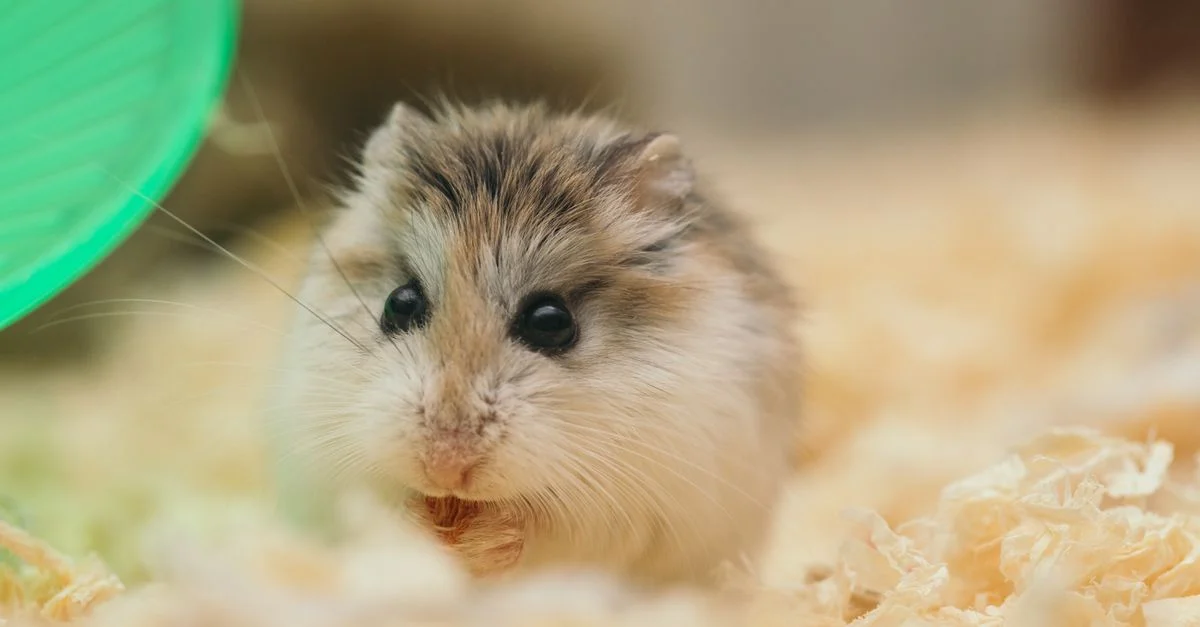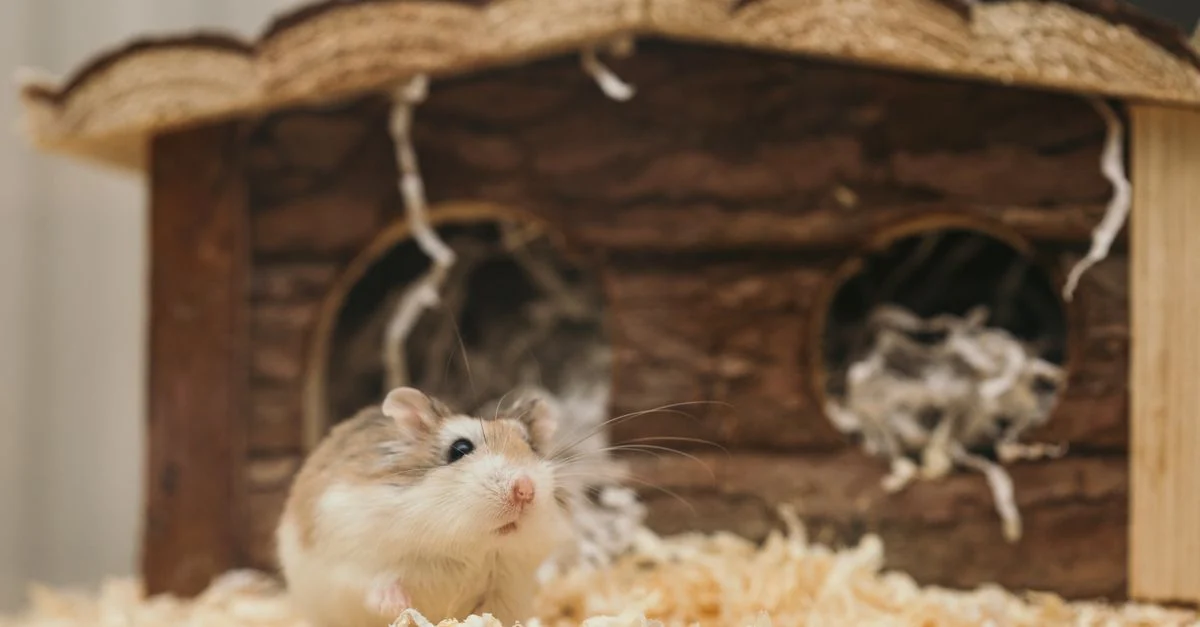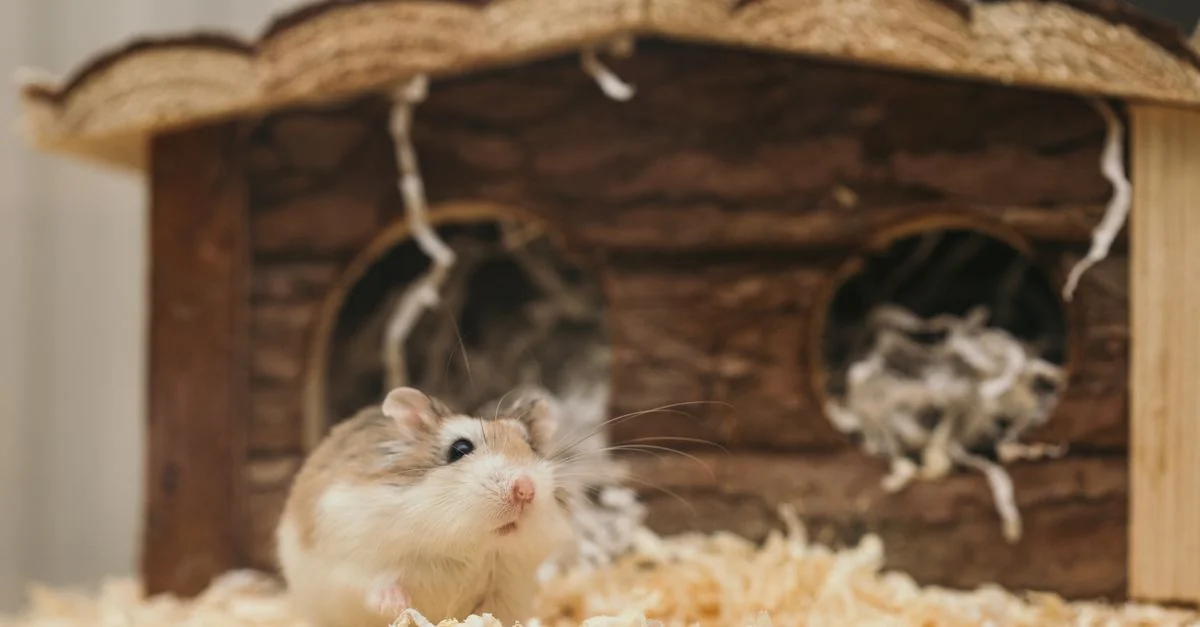
Imagine your hamster, a tiny bundle of energy, thriving in a home that caters to every natural instinct. That's the goal of a thoughtful hamster cage setup. Too often, people pick out a cage that looks appealing on a store shelf, only to find it's too small, poorly ventilated, or lacking the space for proper enrichment. Your hamster deserves more than a temporary dwelling; they need a true habitat where they can burrow, climb, and explore.
Building the perfect home for your new companion isn't just about aesthetics. It's about understanding their needs as a burrowing, active creature. A well-designed habitat prevents stress, promotes health, and offers endless entertainment for both you and your pet. This guide walks you through every step, ensuring your hamster's new home is safe, stimulating, and built to last.
Choosing the Right Hamster Cage Type
The foundation of any good hamster cage setup starts with the enclosure itself. You have several main options, each with distinct advantages and drawbacks. Consider your hamster's species—Syrian hamsters need significantly more space than dwarf hamsters—and your living situation.
Wire Cages: Pros and Cons
Wire cages offer excellent ventilation and are often easy to clean. Look for models with narrow bar spacing (under half an inch) to prevent escapes, especially for smaller dwarf hamsters. The biggest downside is that they rarely provide enough depth for adequate bedding, which hamsters need for burrowing. You'll also find that many wire cages marketed for hamsters are far too small. Aim for a minimum of 450 square inches of unbroken floor space, though more is always better. Wire cages are also prone to bar chewing, which can lead to dental issues and escapes.
Aquarium Tanks: A Popular Choice
Glass aquariums, often repurposed fish tanks, are a fantastic option for hamsters. They offer superior depth for bedding—you can easily provide 8-10 inches for burrowing—and prevent bedding from being kicked out. Ventilation can be a concern, so always use a secure mesh lid designed for aquariums. The smooth sides also mean no bar chewing. A 20-gallon long tank (30x12 inches) offers about 360 square inches, which is a good minimum for dwarf hamsters, but Syrian hamsters will need a 40-gallon breeder tank (36x18 inches) or larger to feel comfortable. Larger is always better; a 75-gallon tank provides excellent space.
DIY Bin Cages: Cost-Effective and Customizable
Large plastic storage bins offer a budget-friendly and highly customizable solution. You can create a spacious, deep habitat by modifying a bin with mesh panels for ventilation. Choose a bin with a clear or translucent bottom so you can observe your hamster. You'll need to cut out sections of the lid and sides, then secure hardware cloth or sturdy mesh with zip ties or strong adhesive. This method allows for massive floor space at a fraction of the cost of a large glass tank. Ensure all cut edges are smooth and covered to prevent injury.
Pro tip: Regardless of cage type, prioritize floor space over height. Hamsters are ground dwellers and need room to run horizontally, not just vertically. A multi-level cage with small platforms isn't a substitute for a large, single-level base.
Essential Substrate and Bedding Choices
Substrate and bedding are not just for aesthetics; they are critical for your hamster's well-being. Hamsters are natural burrowers and need deep, soft bedding to create tunnels and nests, which helps them feel secure and express natural behaviors.
Safe and Absorbent Materials
Paper-based bedding is an excellent choice. Products like Carefresh or shredded paper towels are highly absorbent, soft, and safe for hamsters to ingest in small amounts. Aspen shavings are another good option, offering a natural scent and good burrowing properties. Always ensure any wood shavings are dust-extracted to protect your hamster's respiratory system. Aim for a minimum of 6 inches of bedding, but ideally 8-10 inches or more, especially for Syrian hamsters who build extensive tunnel systems. This depth allows them to dig and hide properly, reducing stress.
Bedding Materials to Avoid
Never use cedar or pine shavings. These contain phenols, aromatic oils that are toxic to small animals and can cause severe respiratory and liver damage over time. Fluffy cotton-like bedding, often marketed for hamsters, is also dangerous. It can cause impactions if ingested and can wrap around limbs, leading to injury or loss of circulation. Scented bedding, even if paper-based, should also be avoided as the added chemicals can irritate your hamster's sensitive respiratory system. For more general advice, consider these essential small pet habitat tips.
Enrichment and Accessories for a Stimulating Habitat
Once you have the cage and bedding sorted, it's time to fill it with items that encourage natural behaviors and keep your hamster entertained. A barren cage leads to boredom, stress, and potentially destructive behaviors.
Wheels, Tunnels, and Hideouts
A solid-surface exercise wheel is a non-negotiable item. For dwarf hamsters, a minimum of a 6.5-inch wheel is needed, while Syrian hamsters require an 8-10 inch wheel, or even larger for bigger individuals. The wheel must have a solid running surface to prevent foot injuries and "bumblefoot." Avoid wire or mesh wheels entirely. Provide several hideouts—small ceramic houses, coconut shells, or cardboard tubes—to give your hamster safe places to sleep and store food. Tunnels made from cardboard or plastic tubing mimic their natural burrow systems and offer exploration opportunities.
Chew Toys and Sand Baths
Hamsters' teeth grow continuously, so they need plenty of safe chew toys. Untreated wooden blocks, cardboard rolls from toilet paper or paper towels, and specific hamster chew toys made from natural materials are all great options. A sand bath is also crucial for many hamster species, particularly dwarf hamsters, to keep their fur clean and healthy. Use chinchilla sand (never chinchilla dust, which is too fine and can cause respiratory issues) in a shallow dish or bowl. They will roll around in it, cleaning their coat and removing excess oils.
Optimizing Food and Water Stations
Proper placement and maintenance of food and water sources are vital for hygiene and easy access. Your hamster needs constant access to fresh water and food.
Food Bowl Placement and Type
Use a heavy, ceramic food bowl that won't tip over easily. Place it in an area where it's unlikely to get covered in bedding or soiled. This helps keep the food clean. Offer a high-quality commercial hamster food mix, supplemented with small amounts of fresh vegetables like broccoli, carrots, or spinach a few times a week. Always remove uneaten fresh food within 24 hours to prevent spoilage. You can scatter some food in the bedding to encourage foraging, a natural hamster behavior.
Water Bottle Maintenance
A sipper bottle with a metal spout is generally the best way to provide water. Secure it firmly to the cage side or stand, ensuring the spout is at a comfortable height for your hamster to reach without straining. Check the bottle daily to ensure it's not leaking and that the ball bearing isn't stuck. Tap the ball to release a drop of water, confirming it works. Clean the bottle thoroughly with a bottle brush every few days to prevent algae and bacteria buildup. Consider having a backup bottle in case one malfunctions. For broader pet care knowledge, these pet parent resources can be helpful.
Maintaining a Clean and Healthy Hamster Environment
A clean cage is a healthy cage. Regular cleaning prevents the buildup of ammonia from urine, discourages mold and bacteria, and keeps your hamster comfortable.
Daily Spot Cleaning
Every day, remove any soiled bedding, especially in their designated "toilet" corner, and replace it with fresh material. Scoop out uneaten fresh food and check their food hoard for anything perishable. Wipe down any dirty surfaces in the cage. This daily routine keeps odors down and significantly extends the time between deep cleans. You'll quickly learn your hamster's habits and where they prefer to relieve themselves.
Weekly Deep Cleaning
Once a week, perform a more thorough clean. Carefully remove your hamster to a secure temporary enclosure (like a clean travel carrier). Empty all old bedding and thoroughly wash the cage with warm water and a pet-safe disinfectant or mild dish soap. Rinse thoroughly to remove all soap residue. Clean all accessories—wheel, hideouts, food bowl, water bottle—before returning them to the cage with fresh bedding. Avoid cleaning the entire cage too often, as hamsters rely on their scent to feel secure; a full clean more than once a week can be stressful. For general hamster care tips, consistency is important.
Frequently Asked Questions
Here are some common questions about setting up and maintaining a hamster cage.
How do I prevent my hamster from escaping a DIY cage setup?
Escapes are common if your DIY setup isn't secure. Ensure all mesh panels are firmly attached with no gaps your hamster can squeeze through. Hardware cloth, with its smaller squares, is generally more secure than chicken wire. Use plenty of strong zip ties, or secure the mesh with bolts and washers. Check for any weak points regularly, especially around the lid and corners. Hamsters are surprisingly good at exploiting tiny openings.
What should I do if my hamster isn't using the provided enrichment items?
Sometimes hamsters are particular. First, ensure the items are appropriately sized—a wheel too small or a hideout too cramped won't be used. Try moving items to different locations in the cage. If they're still ignoring something, try a different type of toy or hideout. Some hamsters prefer ceramic tunnels, others chew on cardboard. Observe their natural behaviors and try to match them. That hamsters are most active at night, so you might not see them using everything during the day.
Can different hamster species share the same cage setup?
No, hamsters are solitary animals and should always be housed alone. Even dwarf hamsters, which are sometimes marketed as communal, often fight, sometimes to the death, when kept together. Each hamster needs its own spacious cage to prevent stress, territorial disputes, and injuries. This rule applies across all species, including Syrian, Winter White, Campbell's, Roborovski, and Chinese hamsters.