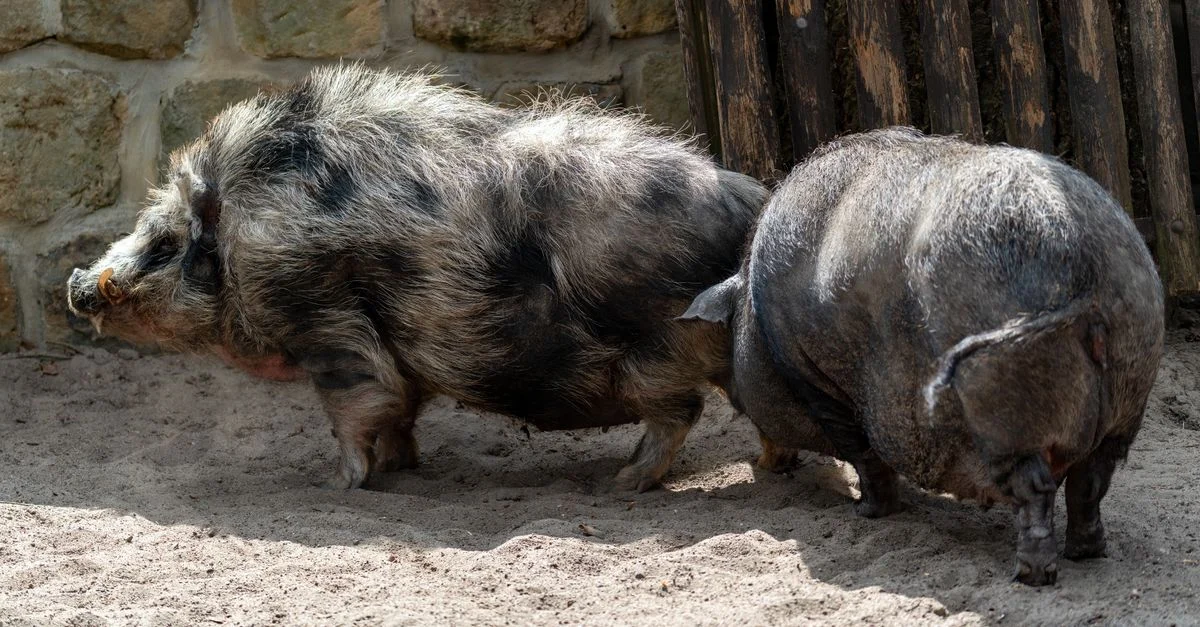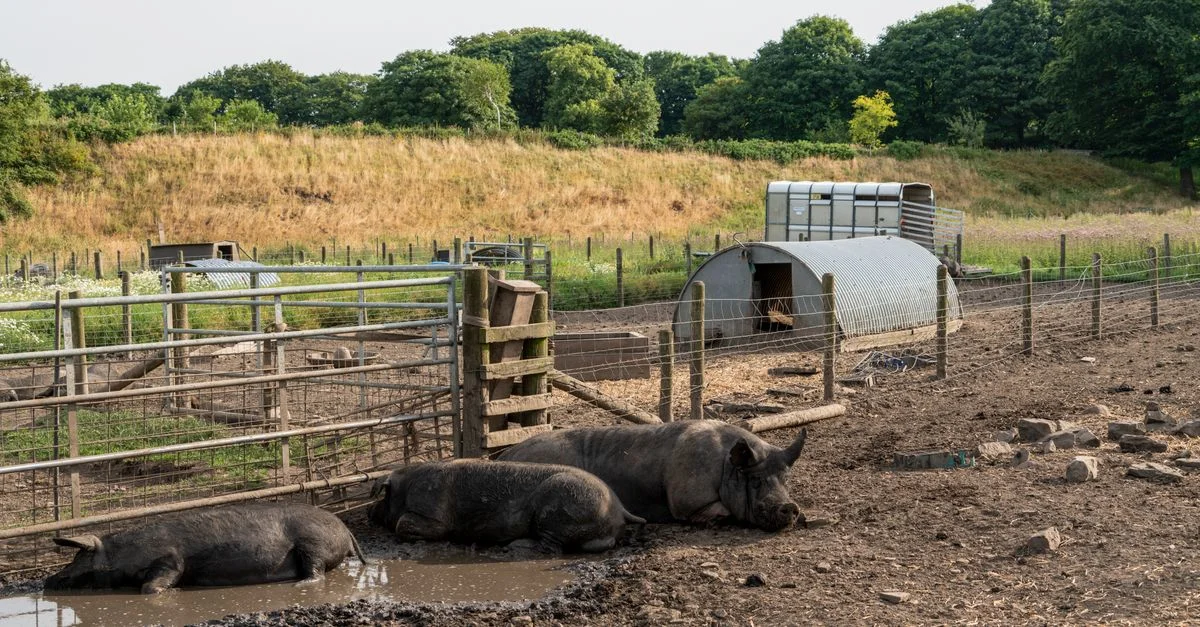
Picture a pig, content and rummaging, snout deep in soft earth. This isn't just a charming image; it's a window into what makes a pig truly happy and healthy. If you're planning a pig housing setup, understanding these instincts is your first, most important step. Without a thoughtful design that honors their natural needs, your pigs won't thrive, and you'll face constant challenges.
Many new owners underestimate the intelligence and social complexity of pigs. They aren't just livestock; they're curious, playful, and surprisingly sensitive animals that require specific conditions to prevent stress and behavioral issues. Building the right environment from day one means fewer headaches for you and a better life for your pigs.
Understanding Pig Behavior and Space Needs
Pigs are natural explorers and diggers. Their strong snouts are built for rooting, turning over soil, and searching for treats. A successful pig housing setup must provide ample space for this behavior, or they will quickly become bored and destructive, potentially damaging fences or structures.
Rooting and Wallowing Space
Imagine a pig without a patch of dirt to root in. It’s like asking a dog not to chew. Pigs derive immense satisfaction from digging. Provide a dedicated rooting area, ideally a soft, unpaved section within their pen, at least 10x10 feet for a pair of adult pigs. This keeps them occupied and prevents them from trying to root up your entire enclosure. Wallowing in mud is another instinct; it helps pigs regulate body temperature and keeps parasites at bay. A shallow, muddy wallow, perhaps 3-4 feet in diameter and 6 inches deep, becomes a welcome respite on warm days. Ensure this area can be refilled or hosed down regularly to prevent stagnation.
Social interaction is another cornerstone of pig well-being. They are herd animals and generally do best in groups of two or more. Isolation can lead to stress and aggression. For a pair of average-sized adult pigs, you should aim for a minimum outdoor space of 200 square feet. If you plan for a larger group or bigger breeds, scale up accordingly, adding at least 50 square feet per additional pig. More space is always better.
Essential Materials and Construction Techniques for Durable Pens
Building a pig pen means thinking about strength and longevity. Pigs are strong, resourceful, and incredibly determined. Fencing needs to be robust, and flooring should promote health while being easy to clean.
Choosing the Right Fencing and Flooring
For fencing, woven wire or cattle panels are superior to simple welded wire, which pigs can easily break. Install fencing at least 36 inches high, preferably 48 inches, and bury the bottom edge 6-12 inches deep to deter rooting under. Use sturdy posts, either metal T-posts or treated wood, spaced no more than 8 feet apart, set deeply in the ground (at least 2 feet). Consider adding a single strand of electric fence at snout height on the inside of the pen as an extra deterrent; it teaches them quickly to respect boundaries.
When it comes to flooring, a mix of materials works best. A solid concrete pad for the sleeping and feeding areas offers easy cleaning and sanitation. This section should be sloped slightly (1-2%) towards a drain or the outside perimeter for runoff. For the larger outdoor area, compacted dirt, perhaps mixed with sand or wood chips, allows for natural rooting and lounging. Avoid smooth, slippery surfaces, especially in areas where pigs eat or drink, as this can lead to injuries.
Pro tip: Always choose non-toxic, pressure-treated lumber for any wooden components in your pig housing setup. Pigs will chew on almost anything, and untreated wood can quickly deteriorate or become a source of splinters.
Designing for Optimal Hygiene and Waste Management
Keeping a pig pen clean is crucial for preventing disease and odors. A well-designed pen minimizes effort in this area, making daily chores much simpler.
Effective Drainage and Cleaning Features
Slope is your friend when it comes to managing waste. Any concrete or solid floor areas should gently slope away from the sleeping quarters towards an accessible drain or a collection point outside the pen. This allows urine and wash water to flow away easily. Install a French drain or gravel trench along the perimeter of the outdoor section to capture runoff and prevent muddy conditions, especially near gates or feeding areas.
Position feed and water stations on solid, easy-to-clean surfaces, away from sleeping areas. This prevents food from being trampled into the bedding and keeps water cleaner. Consider elevated feeders that reduce spillage and are less likely to be rooted through. For waste removal, ensure you have wide gates and clear pathways for wheelbarrows or small tractors. Daily mucking out of solid waste, especially from sleeping areas, is non-negotiable. Basic barnyard animal care often centers on smart waste management.
Climate Control and Environmental Enrichment for Pig Comfort
Pigs are susceptible to both heat stress and cold. Providing appropriate shelter and ways to stay cool or warm is vital for their health. Boredom can also be a significant issue, so enrichment is a must.
Shelter, Shade, and Stimulation
A sturdy, three-sided shelter with a roof is the minimum requirement, offering protection from sun, wind, and rain. Orient the open side away from prevailing winds. The shelter should be large enough for all pigs to lie down comfortably without crowding, providing at least 15-20 square feet per adult pig. In hotter climates, ensure ample shade is available throughout the day, either from natural trees or shade cloths. Misters or sprinklers can also offer relief during extreme heat.
During colder months, consider adding deep straw bedding for warmth, replacing it regularly to keep it dry. For very cold conditions, a heat lamp (safely installed and guarded) might be necessary for piglets or sick animals. Seasonal pet care involves adapting housing to the weather.
Enrichment prevents boredom and destructive behaviors. Toss in old tires for them to push around, provide sturdy, untreated logs for chewing and rooting, or hang a durable ball from a chain. Scatter their feed in different spots or use puzzle feeders to make mealtime more engaging. Pigs are intelligent, and a stimulating environment keeps them happy and healthy. Giving them essential pet pig care includes these crucial details.
Frequently Asked Questions
Here are answers to some common questions about building and maintaining a pig housing setup.
How do I adapt a pig pen for different pig sizes or ages, such as piglets or breeding sows?
For piglets, you'll need smaller, more secure enclosures to prevent escape and protect them from larger pigs. A creep feeder area, accessible only to piglets, ensures they get enough nutrition. Breeding sows require more space, especially during farrowing (birthing). A farrowing crate or pen, approximately 6x8 feet, with rails to prevent the sow from crushing piglets, is recommended. After farrowing, a larger communal pen, perhaps 10x12 feet, is suitable for a sow and her litter until weaning.
What are the specific considerations for building a pig pen in extreme weather conditions (e.g., very hot summers or freezing winters)?
In hot climates, prioritize shade structures, misters, and access to a wallow. Ensure excellent ventilation in shelters to prevent heat buildup. In freezing winters, shelters need to be well-insulated, potentially with straw bales stacked against the outside walls. Deep, dry straw bedding is critical. Consider a heat source, like a guarded heat lamp, for vulnerable animals, and ensure waterers don't freeze solid. You might also want to explore farm animal care for other species in harsh weather.
Can I integrate a pig pen into an existing multi-animal farm setup without compromising safety or hygiene for other livestock?
Yes, but with careful planning. Pigs can carry diseases that might affect other animals, and their rooting behavior can disrupt shared spaces. Maintain a clear physical barrier between pig pens and other livestock areas. Ensure separate feeding and watering equipment. Implement strict biosecurity measures, such as dedicated boots and tools for the pig area, to prevent cross-contamination. Consult with a veterinarian about vaccination protocols for your specific farm animals.